
Hair Loss Clinic in Leicester
Hair loss and hair thinning treatment for women and men: PRP hair treatment, PRP with microneedling and Dermalux red light · £35 hair consultation · Wigston, LE18
Your blood is taken and your PRP applied by our phlebotomists, fully trained and certified in PRP hair treatment.
We look at your scalp, take baseline photos and talk through your goals before anything is booked.
PRP is prepared from a small sample of your own blood, in the clinic, at every visit.
Photo reviews every 8 to 10 weeks so you can see how your hair is responding.
Hair Loss Clinic in Wigston, Leicester
Noticing more hair in the brush, a widening parting, a thinner ponytail, a receding hairline or thinning at the crown? You are not alone. Hair loss affects millions of women and men in the UK, and it can knock your confidence at any age.
At ND Skin Aesthetics, our hair loss clinic in Wigston, Leicester offers non-surgical hair loss treatment for thinning hair in women and men. Every treatment uses PRP (platelet-rich plasma) prepared from your own blood, or Dermalux red light therapy for the scalp, and our programmes can combine them with scalp microneedling.
Your blood is taken and your PRP is applied by our qualified phlebotomists, who are fully trained and certified in PRP hair treatment and have extensive experience carrying it out. Every client starts with a hair consultation, and we track your progress with photos so you can see how your hair is responding. Results vary from person to person, depending on the cause of your hair loss and your medical history.
We welcome clients from Leicester city centre, Wigston, Oadby, Blaby, Countesthorpe, Kibworth, Great Glen and across Leicestershire.
A Quick Look at PRP Hair Treatment
See how PRP from your own blood is applied to the thinning areas of the scalp. This is the same method we use for PRP hair injections, and the same PRP is applied with microneedling in our other hair loss treatments.
- Plasma prepared from your own blood in the clinic
- Applied to the hairline, temples, parting or crown
- Carried out by our qualified phlebotomists
- Most people return to their day straight afterwards
This video shows the treatment, not a result. Results vary from person to person, depending on the cause of your hair loss and your medical history.
How Hair Loss Works: The Hair Growth Cycle
Every hair on your head grows from its own follicle, and each follicle goes through a cycle:
- Growth phase (anagen): the hair actively grows, usually for 2 to 7 years. Most of your hair is in this phase at any one time.
- Transition phase (catagen): a short phase of a few weeks where growth stops.
- Resting and shedding phase (telogen): the hair rests for around 3 months, then falls out and a new hair starts to grow in its place.
In pattern hair loss (female and male pattern thinning, or androgenetic alopecia), the follicles in certain areas gradually shrink. The growth phase gets shorter, and each new hair grows back finer, shorter and lighter. Over time, the hair at the parting, crown, temples or hairline looks thinner and more scalp shows through.
In shedding (telogen effluvium), a trigger such as illness, stress, surgery or pregnancy pushes many hairs into the resting phase at once. They fall out around 2 to 3 months later, which is why shedding often seems to start out of nowhere.
Why acting early matters: follicles that are still producing hair, even fine hair, are the ones treatment can support. Once a follicle has stopped producing hair completely, non-surgical treatment cannot bring it back.
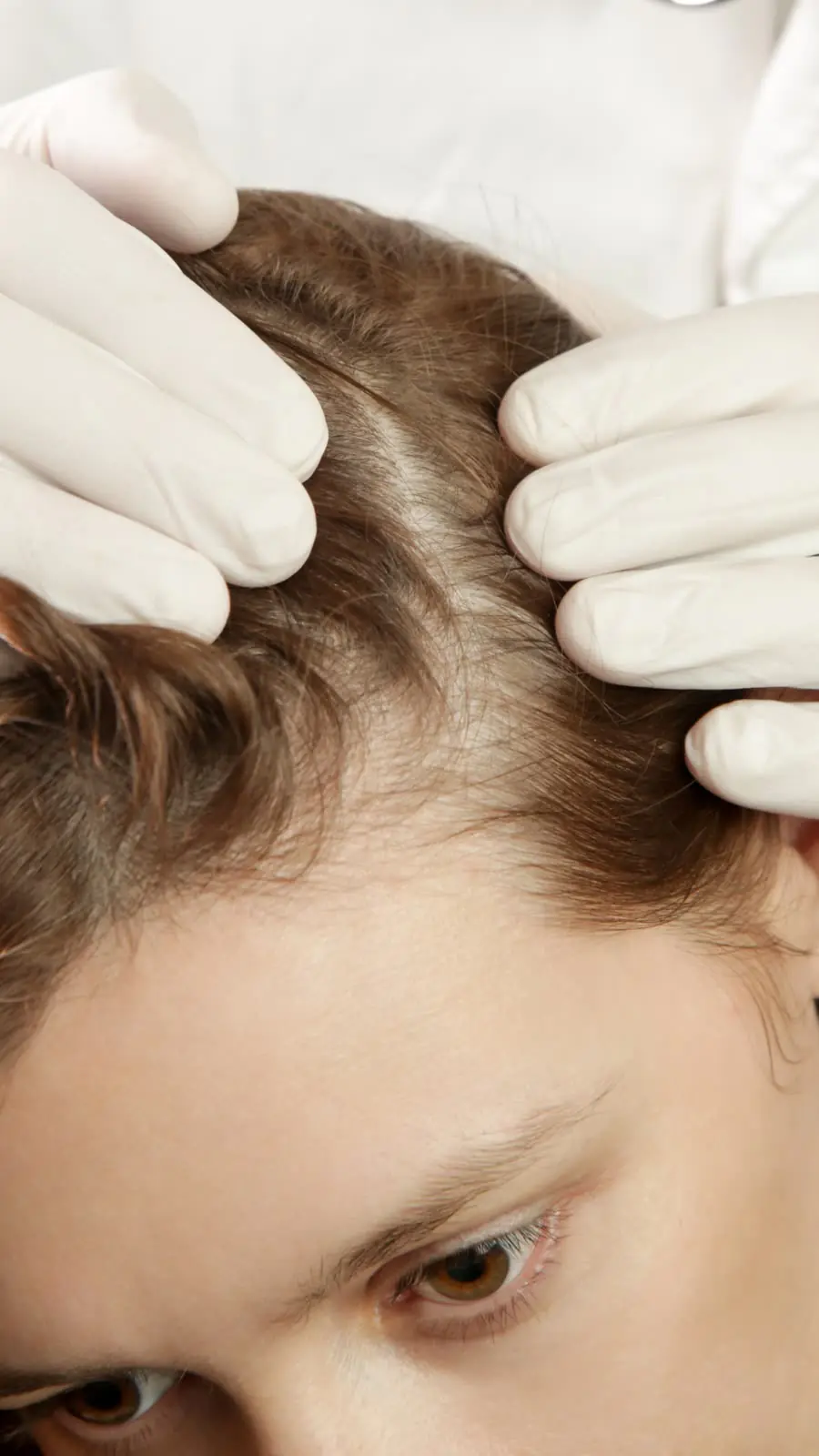
How Each Hair Loss Treatment Can Help
- PRP hair injections place growth factors from your own platelets directly into the thinning areas, to support the follicles that are still active.
- PRP with microneedling spreads that same PRP evenly across the whole treated area, while the microneedling stimulates the scalp.
- Dermalux red light uses medical-grade red light on the scalp to support scalp health, with no needles and no downtime.
The best treatment depends on the type and stage of your hair loss, which is why every plan starts with a hair consultation. Results vary from person to person, depending on your hair loss and your medical history.
Our Hair Loss Treatments in Leicester
Three non-surgical hair loss treatments, each recommended at your consultation to suit your hair, your scalp and your goals.
PRP Hair Injections
Your own platelet-rich plasma, placed into the thinning areas of your scalp with fine injections. The classic PRP hair treatment.
Helps with: receding hairline, thinning temples and crown
Find Out MorePRP with Microneedling
PRP applied with a professional microneedling device for an even spread across the whole treated area, finished with Dermalux red light.
Helps with: widening parting, diffuse thinning, finer hair
Find Out MoreDermalux Red Light for Hair
Medical-grade red light therapy for the scalp. No needles, no downtime. On its own, between PRP visits, or included with PRP.
Helps with: scalp health, a no-needle option, between PRP visits
Find Out MoreFind the Right Treatment for Your Hair Concern
| Your concern | Treatments to look at |
|---|---|
| Widening parting or thinning on top | PRP with Microneedling for an even spread across the area |
| Receding hairline or thinning temples | PRP Hair Injections or PRP with Microneedling |
| Thinning crown | PRP Hair Injections or PRP with Microneedling |
| Excess shedding | A hair consultation first, as shedding often settles by itself; Dermalux red light can support scalp health |
| Fine, weak hair with less volume | PRP with Microneedling |
| I would rather avoid needles | Dermalux Red Light for Hair |
Hair Loss and Hair Thinning We Can Help With
Hair loss has many causes, and the right treatment depends on yours. Our hair loss treatments are best suited to early to moderate thinning, where the hair follicles are still active. If your hair loss is sudden, patchy or linked to a health condition, we will ask you to see your GP first.
Female Pattern Thinning
A widening parting or thinner hair on top, often linked to age, hormones, menopause or PCOS.
Receding Hairline
Gradual thinning at the front and temples in men, an early sign of male pattern hair loss.
Crown Thinning
Thinning at the crown, or a thinning spot on top that is becoming easier to see.
Excess Shedding
More hair in the shower, on the pillow or in the brush, for example after stress or illness.
Thinning After Pregnancy
Postpartum hair shedding and thinning that has not settled back to normal.
Fine, Weak Hair
Hair that has become finer, flatter or slower to grow, with less volume than before.
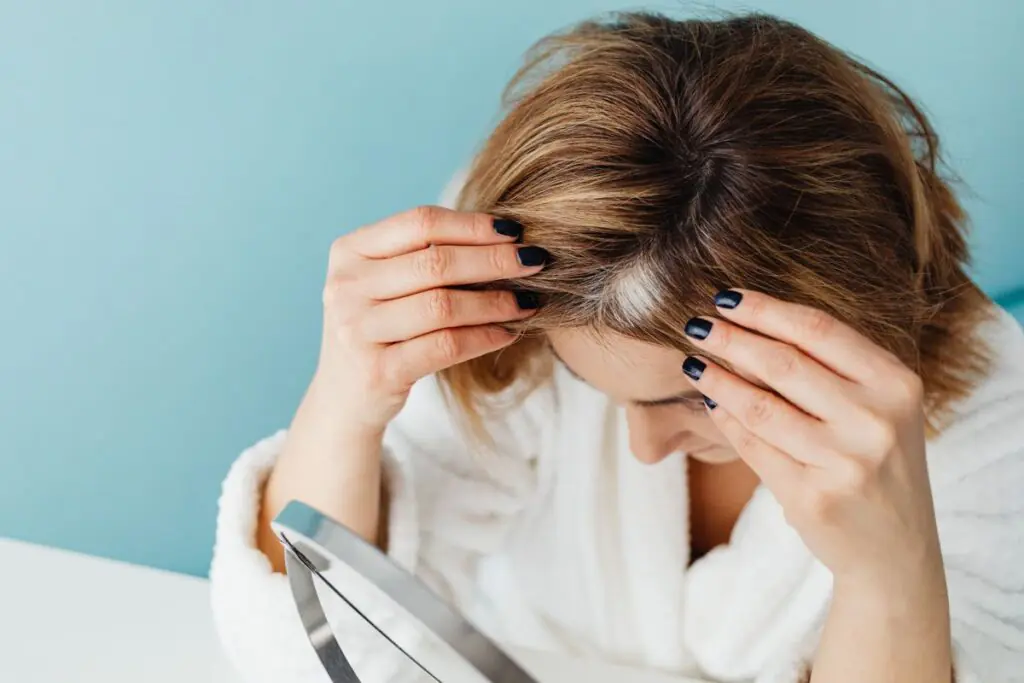
Female Hair Loss Treatment in Leicester
Hair loss is not just a male problem. Many of the clients at our hair loss clinic are women noticing a widening parting, a thinner ponytail, more scalp showing under the light, or shedding after pregnancy, stress or hormonal changes.
Female hair thinning usually looks different from male hair loss. Rather than a receding hairline, women tend to notice thinning across the top of the head and along the parting. Common reasons include female pattern hair loss, hormonal changes around pregnancy and menopause, PCOS, stress, illness and low iron.
Our female hair loss treatment uses PRP, PRP with microneedling and Dermalux red light, tailored to your scalp at your consultation. PRP is prepared from your own blood, and nothing synthetic is injected.
- A widening parting or thinner hair on top
- A thinner ponytail than before
- Shedding after pregnancy or a stressful time
- Thinning hair around the menopause
- Finer, flatter hair with less volume
If your hair loss could be linked to a thyroid problem, low iron or another health issue, we will recommend you speak to your GP for blood tests first, so the cause is looked at alongside your treatment.
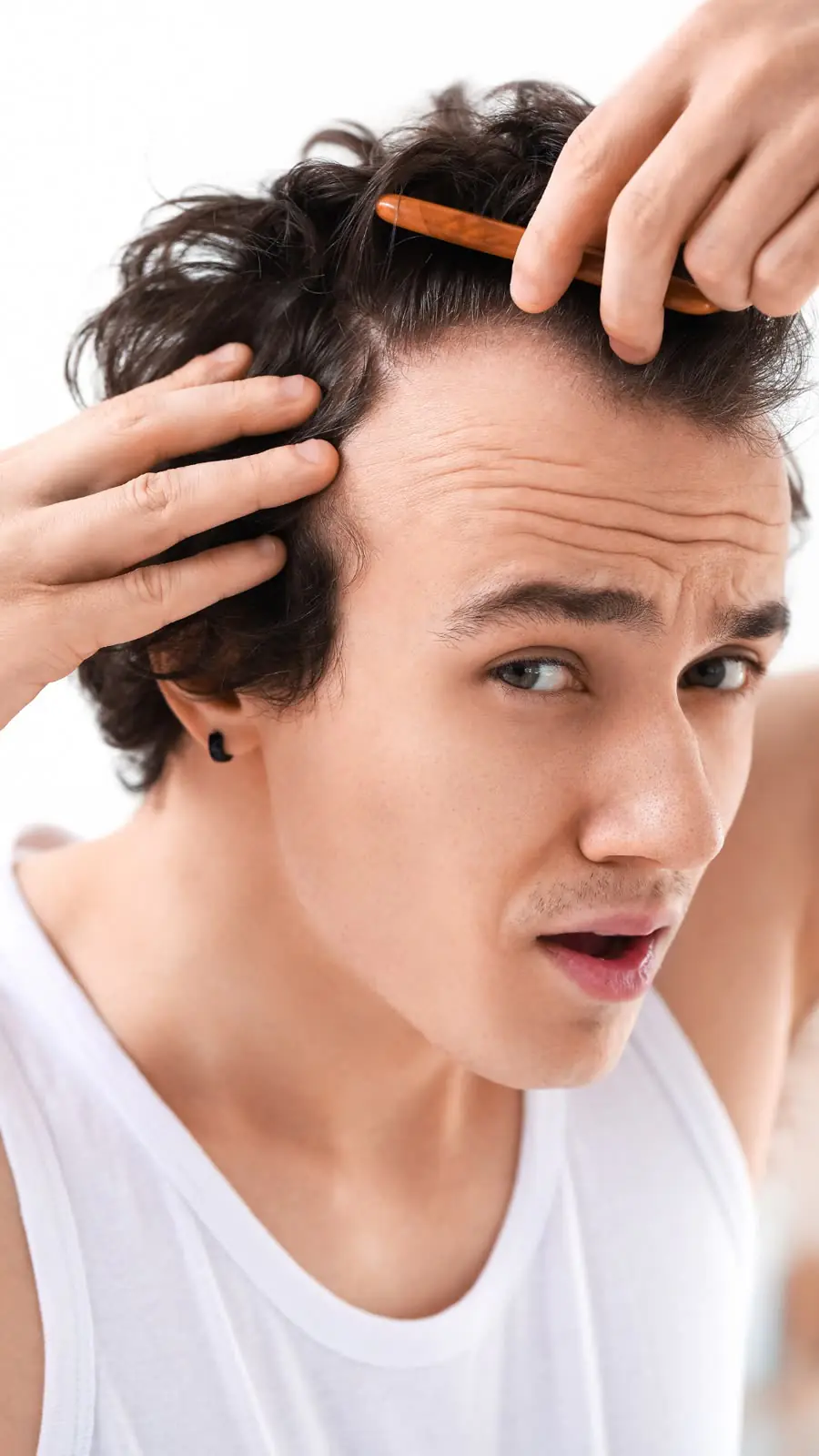
Male Hair Loss: Receding Hairline and Crown Thinning
Male pattern hair loss, also called male pattern baldness or androgenetic alopecia, usually starts with a receding hairline at the temples or thinning at the crown. It is very common and often runs in families.
For men with early to moderate thinning, PRP hair treatment is a non-surgical option that aims to support the hair you still have. It is most worthwhile while the follicles in the thinning areas are still active, so it is worth getting advice early rather than waiting.
- Receding hairline or thinning temples
- Thinning crown or a spot on top that is getting bigger
- Hair that looks thinner in photos or under bright lights
- Men who are not ready for, or not suitable for, a hair transplant
PRP cannot bring back hair where the follicles have been lost completely, such as a smooth, fully bald area. At your consultation we will tell you honestly whether treatment is likely to be worthwhile for you.
Alopecia Treatment in Leicester: What We Can and Cannot Help With
Alopecia is the medical word for hair loss, and there are several different types. They have different causes, so they need different approaches. We want to be clear about which ones our treatments are suited to.
| Type of alopecia | What it is | Our approach |
|---|---|---|
| Androgenetic alopecia | Female and male pattern hair loss: gradual thinning on top, at the parting, crown or hairline | The main type PRP hair treatment is used for. We can advise at your consultation. |
| Shedding (telogen effluvium) | Sudden extra shedding, often a few months after illness, stress, surgery or pregnancy | Often settles by itself. We will advise whether treatment is worthwhile, and may suggest seeing your GP first. |
| Alopecia areata | Round, smooth patches of hair loss, linked to the immune system | Please see your GP or a dermatologist first. We do not treat alopecia areata. |
| Scarring alopecia | Hair loss where follicles have been permanently damaged, sometimes with redness, itching or soreness | Needs a dermatologist. Not suitable for our treatments. |
| Traction alopecia | Thinning from tight hairstyles, braids, extensions or weaves | Changing hairstyles comes first. We can advise whether treatment may help in early cases. |
If you are not sure which type you have, that is fine. At your hair consultation we look closely at your scalp and ask about your health, and if anything needs checking by a doctor, we will tell you before you book any treatment.
What Causes Hair Loss and Hair Thinning?
Most people lose 50 to 100 hairs a day as part of the normal hair growth cycle. Hair loss becomes noticeable when more hair falls than grows back, or when new hairs grow back finer and shorter. Common causes include:
- Genetics: female and male pattern hair loss often run in families
- Hormones: pregnancy, menopause, PCOS and thyroid changes
- Stress, illness or surgery: which can trigger shedding a few months later
- Diet and low iron: sudden weight loss or low iron, vitamin D or B12
- Hairstyles: tight styles and extensions that pull on the hair
- Some medicines: certain medicines can affect hair growth
- Age: hair naturally becomes finer over time
Because the cause makes such a difference, your treatment starts with a proper hair consultation rather than a one-size-fits-all package.
PRP Hair Treatment in Leicester
PRP stands for platelet-rich plasma. PRP for hair is sometimes called the vampire hair treatment. A small sample of your blood is taken from your arm by one of our phlebotomists and spun in a centrifuge to separate the plasma, which is rich in platelets and growth factors.
With PRP hair injections, this plasma is placed into the thinning areas of your scalp with fine injections. Platelets contain growth factors, and PRP is used to support the scalp and hair follicles in early to moderate hair thinning in women and men. It works gradually, over a course of sessions.
- Prepared from your own blood, so nothing synthetic is used
- Targets the areas where you are thinning, such as the parting, crown or temples
- Most people return to their normal day straight afterwards
- Suitable for female and male pattern thinning
PRP with Scalp Microneedling for Hair Loss
Our PRP with microneedling treatment uses the same PRP from your own blood, but instead of injections it is applied with a professional microneedling device across the thinning areas of your scalp.
The device creates thousands of tiny channels in the scalp, and PRP is applied as the treatment goes along. This gives an even spread of PRP across the whole treated area, rather than individual injection points, and the microneedling itself stimulates the scalp. That is why we see it as the better all-round option for most clients with diffuse thinning.
- Even coverage of PRP across the parting, crown or top of the head
- Combines two scalp treatments in one session
- Finished with Dermalux red light
- Mild redness on the scalp usually settles within a day
Microneedling for hair loss should always be carried out by a trained professional with a sterile, single-use cartridge. Home dermarollers are not the same treatment.
Red Light Therapy for Hair Loss: Dermalux
Red light therapy, also called LED light therapy for hair, uses specific wavelengths of light on the scalp. At ND Skin we use the Dermalux Tri-Wave MD, a medical-grade LED device. Red light is the wavelength most studied for hair, and it is used to support scalp health.
Dermalux red light can be a hair treatment on its own, or used alongside PRP. It is included after PRP with microneedling, and you can book scalp sessions between your PRP visits. Each session takes 10 to 15 minutes, is relaxing and comfortable, and has no downtime.
- No needles and no downtime
- Works best with regular sessions, so a course is recommended
- Can be combined with any of our PRP treatments
Which Hair Loss Treatment Is Right for Me?
| PRP Hair Injections | PRP with Microneedling | Dermalux Red Light | |
|---|---|---|---|
| How it works | PRP injected into thinning areas | PRP applied with a microneedling device | Medical-grade red light on the scalp |
| Uses your own blood | Yes | Yes | No |
| Needles | Fine injections | Microneedling | None |
| Coverage | Targeted injection points | Even spread across the area | Whole scalp |
| Red light included | Can be added | Yes | Yes |
| Downtime | Minimal | Mild redness, usually a day | None |
| Good for | Targeted thinning areas | Diffuse thinning, most clients | No-needle option, or between PRP visits |
Not sure? That is what your hair consultation is for. We will recommend the treatment that suits your hair and your budget.
Who Carries Out Your Hair Loss Treatment?
Your PRP hair treatment is carried out by our qualified phlebotomists. They take your blood sample, prepare your PRP and apply it to your scalp, so the same trained professional looks after you from start to finish.
- Qualified phlebotomists, trained in taking blood safely
- Fully trained and certified in PRP hair treatment
- Extensive experience carrying out PRP hair treatments
- Sterile, single-use equipment for every client
We have refined our hair loss programmes through experience with our own clients. Every client’s results will vary, depending on the type of hair loss, how long it has been happening and their medical history, which is why we take baseline photos and review your progress throughout.
Your Hair Loss Treatment Journey
- Hair consultation (£35): we look at your scalp, ask about your health and any medicines, take baseline photos and recommend a treatment plan. The £35 is redeemable against treatment.
- Blood sample: on treatment day, a small sample of blood is taken from your arm by a phlebotomist.
- Preparing your PRP: your blood is spun in a centrifuge to separate the platelet-rich plasma.
- Treatment: PRP is applied by injection, or with microneedling.
- Red light: on PRP with microneedling, you finish with Dermalux red light.
- Progress reviews: at around 8 to 10 weeks we compare your photos with your baseline.
- Maintenance: once your course is complete, top-up sessions help maintain your results.
Sessions are usually around 4 weeks apart, and most people need a course of 3 to 4 sessions before changes become noticeable. Each PRP session takes around 60 to 75 minutes.
Hair Loss Treatment Results: What to Expect
Hair grows slowly, in cycles, so hair loss treatment is never an instant fix. Changes usually become noticeable gradually, over 3 to 6 months, and your progress photos are the best way to see them. Some people notice shedding settling first, before any change in density or thickness.
Results vary from person to person, depending on the cause of your hair loss, how long it has been happening, your age, your general health and your medical history. PRP works best for early to moderate thinning, and it cannot replace hair where the follicles have been lost completely. Your practitioner will explain what you can realistically expect at your consultation.
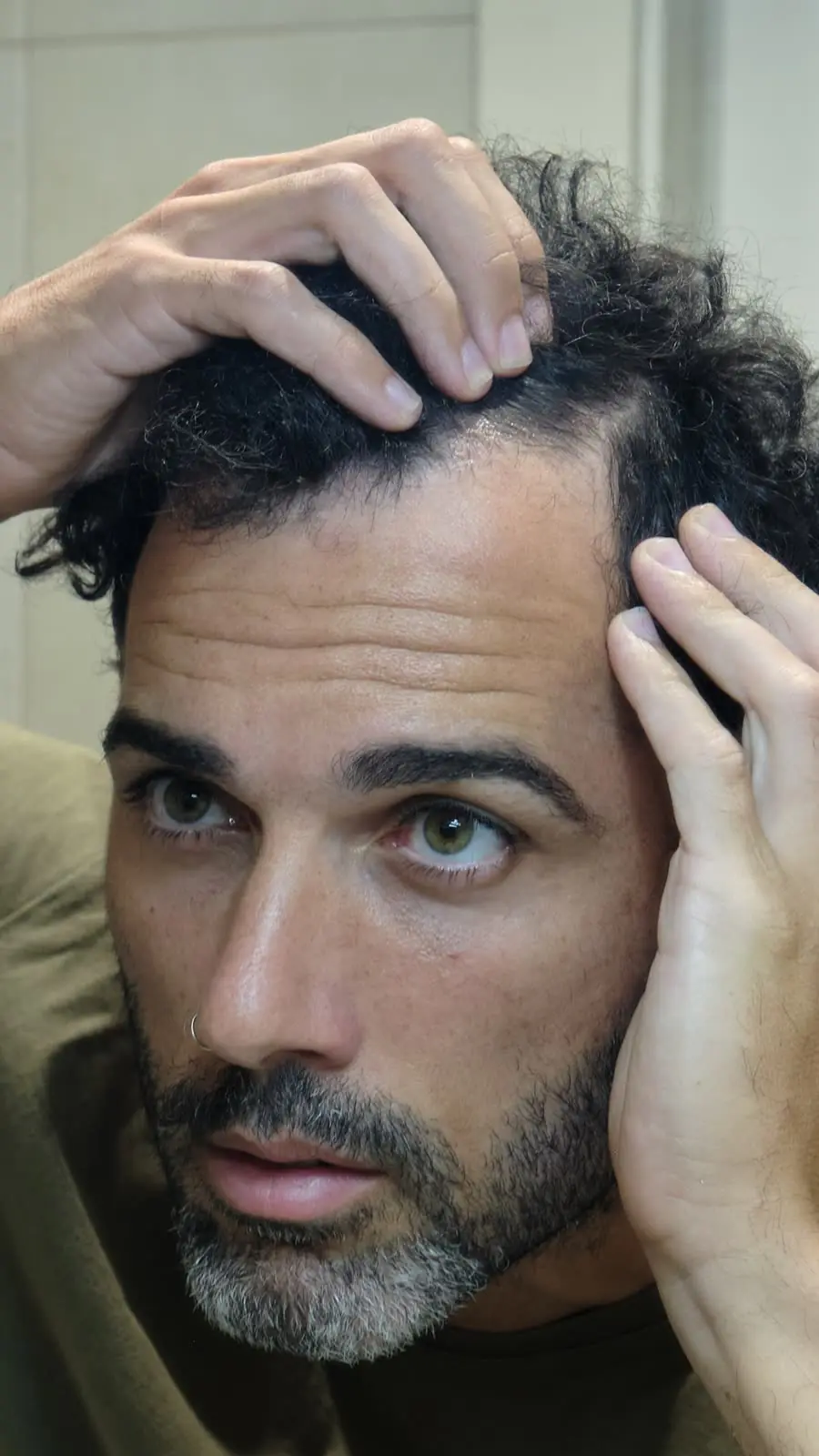
Non-Surgical Hair Loss Treatment vs Hair Transplant
A hair transplant is surgery that moves hair follicles from one part of the scalp to another. It can suit people with established baldness, but it is a bigger step, with more cost and recovery time.
Non-surgical treatments like PRP and red light work differently: they aim to support the hair and follicles you still have. That makes them an option for people with early to moderate thinning who want to act sooner, who are not ready for surgery, or who are not suitable for a transplant. Some people also use non-surgical treatment to look after the rest of their hair after a transplant, but you should speak to your surgeon before having any scalp treatment after surgery.
Is Hair Loss Treatment Right for Me?
Our hair loss treatments may suit you if you have:
- Early to moderate female or male pattern thinning
- A widening parting, thinning crown or receding hairline
- Increased shedding that has not settled
- Finer, weaker hair than before
PRP may not be suitable if you are pregnant or breastfeeding, have a blood or platelet disorder, are taking blood thinners, have an active scalp infection, or have certain other medical conditions. Please tell us about any medicines and health conditions at your consultation, and we will tell you honestly if treatment is not right for you, or if you should see your GP first.
Your Hair Consultation
Every hair loss treatment starts with a hair consultation with one of our trained PRP team. We look closely at your scalp, ask about your health, your hair history and any medicines, take baseline photos and recommend the treatment that suits you. If anything needs checking by your GP first, we will tell you. There is no obligation to book.

Trustindex verifies that the original source of the review is Google. I can’t believe there was no pain, the laser hair removal machine is called the Sopranos Titanium used by this clinic I have had laser previously with other machine but always found it painful. This is brilliant no pain.Posted on GoogleTrustindex verifies that the original source of the review is Google. Had my third appointment for laser shot removal I am already seeing some great results. Can’t wait to finish my full course would defiantly recommend this clinic and the equipment they use. It work.Posted on GoogleTrustindex verifies that the original source of the review is Google. I booked in for a skin condition with Naz ended up booking the Morpheus 8. I can’t believe the price I researched the prices and realised I got a fantastic deal. Just had my first session which went really well, looking forward to the results.Posted on GoogleTrustindex verifies that the original source of the review is Google. I had my breadline done booked for 6 sessions, the results have been exceptionally good I have seen a massive reduction in hair growth. I recommend it to anyone who wants to avoid shaving.Posted on GoogleTrustindex verifies that the original source of the review is Google. The Doctor T is brilliant at explaining the whole process of my injectable testament. I was so worried until I had the consultation and realized I was in good hands. Lovely clinic.Posted on GoogleTrustindex verifies that the original source of the review is Google. Very professional staff who explain the treatment properly and made me feel comfortable. Lovely clinic would recommend.Posted on GoogleTrustindex verifies that the original source of the review is Google. Fantastic place & staff would highly recommend such a fab service.Posted on GoogleTrustindex verifies that the original source of the review is Google. I recently had a platinum hydrafacial with added vitamin C booster and it was such a relaxing experience from start to finish. I had a warm and friendly welcome into the spotlessly clean and modern clinic. The hydrafacial itself is such a thorough multi-factored procedure which deeply cleanses and also pushes moisture back into the skin, I can really feel the difference today my skin feels so soft and hydrated. I'm sure I'll be back for further treatments. Thanks againPosted on GoogleTrustindex verifies that the original source of the review is Google. Fantastic service from the team. I am really pleased with the results. Staff are super friendly and results are great two treatments in. Definitely recommend to anyonePosted on Google
Hair Loss Clinic Near You: Leicester, Wigston and Oadby
ND Skin Aesthetics is at 32 Bell Street, Wigston, Leicester LE18 1AD. Our hair loss clinic welcomes clients from Leicester city centre, Wigston, Oadby, Blaby, Countesthorpe, Kibworth, Great Glen, Fleckney, Enderby and across Leicestershire.
Treatment is by appointment only, and every hair loss treatment starts with a hair consultation.
Hair Loss Treatment FAQs
What is the best hair loss treatment in Leicester?
There is no single best hair loss treatment for everyone, because it depends on the cause and stage of your hair loss. For early to moderate thinning, PRP hair treatment, PRP with microneedling and Dermalux red light are popular non-surgical options. We recommend the right one for you at your hair consultation.
Is there a hair loss clinic near me?
ND Skin Aesthetics is a hair loss clinic at 32 Bell Street, Wigston, Leicester LE18 1AD, a short drive from Leicester city centre, Oadby, Blaby, Countesthorpe and Kibworth. Treatment is by appointment, starting with a hair consultation.
How much does hair loss treatment cost in Leicester?
The cost depends on the treatment and how many sessions you need. Your hair consultation is £35, redeemable against treatment, and we give you a clear price for your plan before you book. You can see our current PRP prices on our PRP hair treatment page.
Who carries out the treatment?
Your treatment is carried out by our qualified phlebotomists, who take your blood and apply your PRP. They are fully trained and certified in PRP hair treatment and have extensive experience.
What is PRP hair treatment?
PRP (platelet-rich plasma) is prepared from a small sample of your own blood. It is applied to thinning areas of the scalp by injection or microneedling to support the scalp and hair follicles. See our PRP hair treatment page.
Is PRP the same as the vampire hair treatment?
Yes. Vampire hair treatment is a popular name for PRP for hair, because it uses plasma from your own blood.
What is the difference between PRP injections and PRP with microneedling?
Both use the same PRP. With injections, PRP is placed at individual points in the thinning areas. With microneedling, PRP is applied across the scalp with a microneedling device, giving an even spread over the whole area, and the session finishes with Dermalux red light.
Does red light therapy help hair loss?
Red light is the wavelength most studied for hair and is used to support scalp health. It works best with regular sessions. We use the Dermalux Tri-Wave MD, on its own or alongside PRP.
Do you treat hair loss in women?
Yes. Many of our clients are women with a widening parting, thinning on top, a thinner ponytail, or shedding after pregnancy, stress or the menopause. All our hair loss treatments are suitable for women and men.
Can you help with postpartum hair loss?
Shedding after pregnancy is very common and often settles by itself within a few months. If it has not settled, or your hair still looks thinner, we can advise at your consultation. PRP is not carried out during pregnancy, and please tell us if you are breastfeeding.
Can you treat alopecia?
It depends on the type. PRP is mainly used for androgenetic alopecia (female and male pattern hair loss). We do not treat alopecia areata (round, smooth patches) or scarring alopecia, which should be seen by your GP or a dermatologist. We will advise you at your consultation.
Can PRP treat a receding hairline?
PRP may help support thinning hair at the hairline and temples in early to moderate male pattern hair loss. It cannot replace hair where follicles have been lost completely, such as a smooth, bald area.
How many sessions will I need?
Most people need a course of 3 to 4 sessions, about 4 weeks apart, followed by maintenance top-ups every 3 to 4 months. We confirm your plan at your consultation.
When will I see results?
Hair grows slowly, so changes usually become noticeable over 3 to 6 months. We review your progress with photos every 8 to 10 weeks. Results vary from person to person, depending on the cause of your hair loss and your medical history.
Does PRP hair treatment hurt?
Most people describe it as mild discomfort rather than pain. The blood sample feels like a normal blood test, and the scalp may feel tender for a day afterwards.
Is there any downtime?
Most people return to their normal day straight afterwards. You may have mild redness or tenderness on the scalp for a day, and we ask you to avoid washing your hair for 12 to 24 hours and to avoid saunas, swimming and hard exercise for 24 hours.
Is PRP hair treatment safe?
PRP uses your own blood, so the risk of an allergic reaction to the PRP itself is low. Possible side effects include tenderness, redness, mild swelling, bruising at the blood sample site and, rarely, infection. We check your medical history first, and use sterile, single-use equipment.
Who should not have PRP?
PRP may not be suitable if you are pregnant or breastfeeding, have a blood or platelet disorder, take blood thinners, have an active scalp infection, or have certain other medical conditions. Please tell us about your health and medicines at your consultation.
Do I need to see my GP first?
Not usually, but if your hair loss is sudden or patchy, or you have other symptoms such as tiredness or weight changes, we will recommend you see your GP first, as blood tests can check things like iron and thyroid levels.
Is hair loss treatment an alternative to a hair transplant?
For early to moderate thinning, PRP and red light are non-surgical options that support your existing hair. They cannot replace hair where follicles have been lost completely, which is when a transplant may be considered.
Can I have PRP after a hair transplant?
Some people do, but please speak to your surgeon before having any scalp treatment after a transplant.
How do I book a hair loss consultation?
Tap Book Hair Consultation on this page, message us on WhatsApp, or call the clinic. Your hair consultation is £35, redeemable against treatment.
Where is your hair loss clinic?
We are at 32 Bell Street, Wigston, Leicester LE18 1AD. We welcome clients from Leicester, Wigston, Oadby, Blaby, Countesthorpe, Kibworth, Great Glen and across Leicestershire.
Start Your Hair Loss Treatment in Leicester
PRP hair injections, PRP with microneedling and Dermalux red light, carried out by our qualified phlebotomists. Start with a hair consultation at our clinic on Bell Street, Wigston.
Written by the ND Skin Aesthetics team · Last updated