
Polynucleotides in Leicester
Skin booster for crepey under-eyes, tired skin and the neck · Carried out by our in-house doctor · Wigston, near Oadby
Every polynucleotide treatment is carried out by our in-house doctor, Dr Tayyab Bhatti.
Face £225, face and neck £300, and a course of 3 face sessions for £600.
Works on the quality of your skin, not the shape of your face.
A £35 doctor’s consultation, paid at booking and redeemable on the day only.
Polynucleotides in Leicester, Wigston and Oadby
ND Skin Aesthetics offers polynucleotide treatment in Leicester at 32 Bell Street, Wigston, for crepey under-eyes, tired skin and the neck, carried out by our in-house doctor, Dr Tayyab Bhatti. Under-eyes are £150, a full face £225 and a course of 3 £600, after a £35 doctor's consultation. The clinic is rated 5.0 from 940+ verified Fresha reviews (Fresha Best in Class 2026).
Thin, crepey skin under the eyes. A complexion that looks tired and dull, however much you sleep or however good your skincare is. Fine lines that make-up settles into. These are the concerns that bring most people to us for polynucleotides in Leicester, and they are exactly where this treatment fits.
Polynucleotides (sometimes called PN injections or a polynucleotide skin booster) are a regenerative injectable. Tiny amounts of highly purified DNA fragments are placed into the skin to support its own repair processes, so that over a course of treatment the skin looks healthier, better hydrated and more resilient. Unlike dermal filler, polynucleotides do not add volume or change the shape of your face. They work on the quality of the skin itself.
At ND Skin Aesthetics in Wigston, every polynucleotide treatment is carried out by our in-house doctor, Dr Tayyab Bhatti, an experienced injector. We treat the under-eye area, the full face and the face and neck, for clients from Wigston, Oadby, Blaby, Braunstone, Leicester city and across Leicestershire.
Polynucleotides are not an instant fix. Results build gradually over a course of sessions as your skin responds, and they vary from person to person. Every treatment starts with a doctor’s consultation, so you know exactly what to expect before anything is booked.
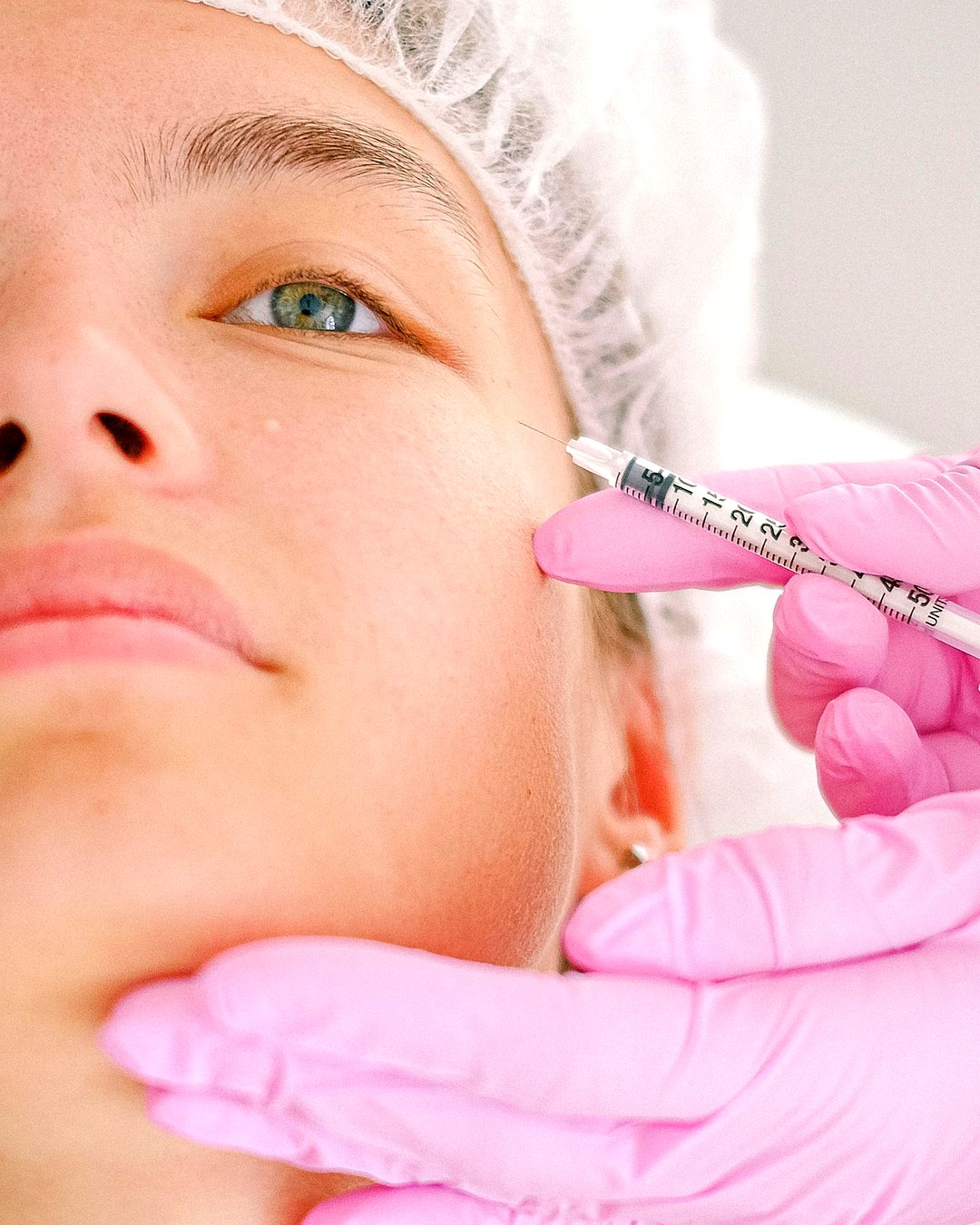
Polynucleotides at ND Skin in 20 Seconds
A quick look at what polynucleotide treatment is for, where we treat and what it costs at our Wigston clinic.
- Under-eyes, face and neck
- No added volume, natural-looking results
- Carried out by our in-house doctor
- Under-eyes from £150, course of 3 face sessions £600
Illustrative stock images. Results vary from person to person.
Skin Concerns We Treat with Polynucleotides
Polynucleotides are chosen for skin that has become thin, tired or crepey, especially in delicate areas where other treatments are less suitable. Tap a concern to read more.
Crepey Under-Eyes
Thin, tired-looking skin beneath the eyes.
Dull, Dehydrated Skin
Skin that has lost its healthy glow.
Fine Lines
Early lines and crepey texture.
Neck and Face
Crepey neck skin and overall skin quality.
Polynucleotides for Men
Fresher skin without looking ‘done’.
Polynucleotides for Under-Eyes in Leicester
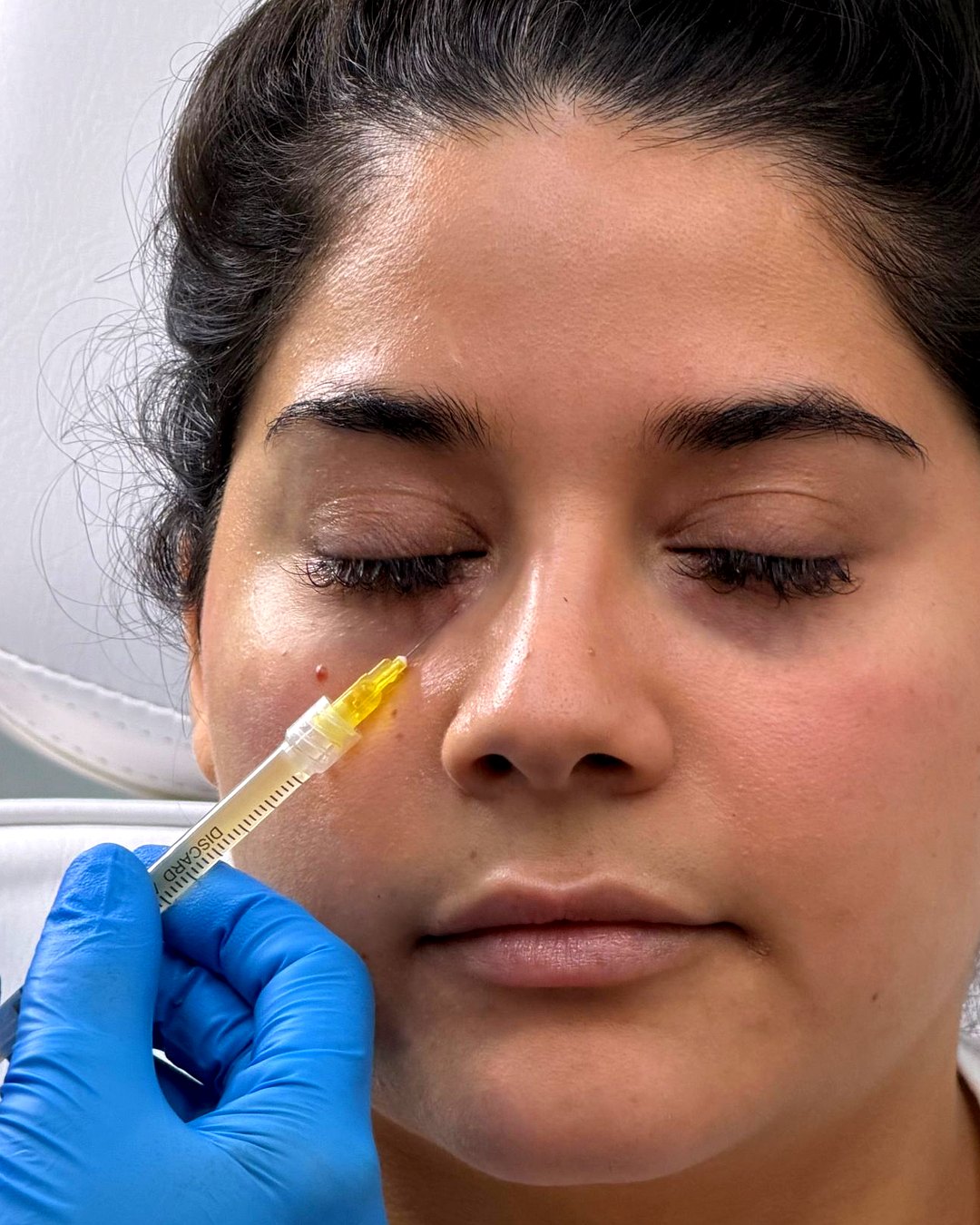
The skin under the eyes is among the thinnest on the body, and it is often the first place to show tiredness and age. It can become crepey, lose its bounce and develop fine lines, and in some people the thinness lets a blue or purple tone show through from the blood vessels beneath. Concealer tends to sit in the creases rather than hide them.
Under-eye polynucleotides are one of the most popular reasons people book with us. Because they do not add volume, they suit this delicate area well, including for people who are worried about looking puffy or who have been told they are not suitable for tear trough filler. The aim is skin that looks smoother, fresher and less tired over the course of treatment.
Under-eye polynucleotides are £150 per session at our Wigston clinic, carried out by Dr Bhatti.
May help with
- Thin, crepey skin under the eyes
- Fine lines around the eyes
- A tired look caused by thin skin
- Under-eyes that are not suitable for filler
Dull, Tired and Dehydrated Skin
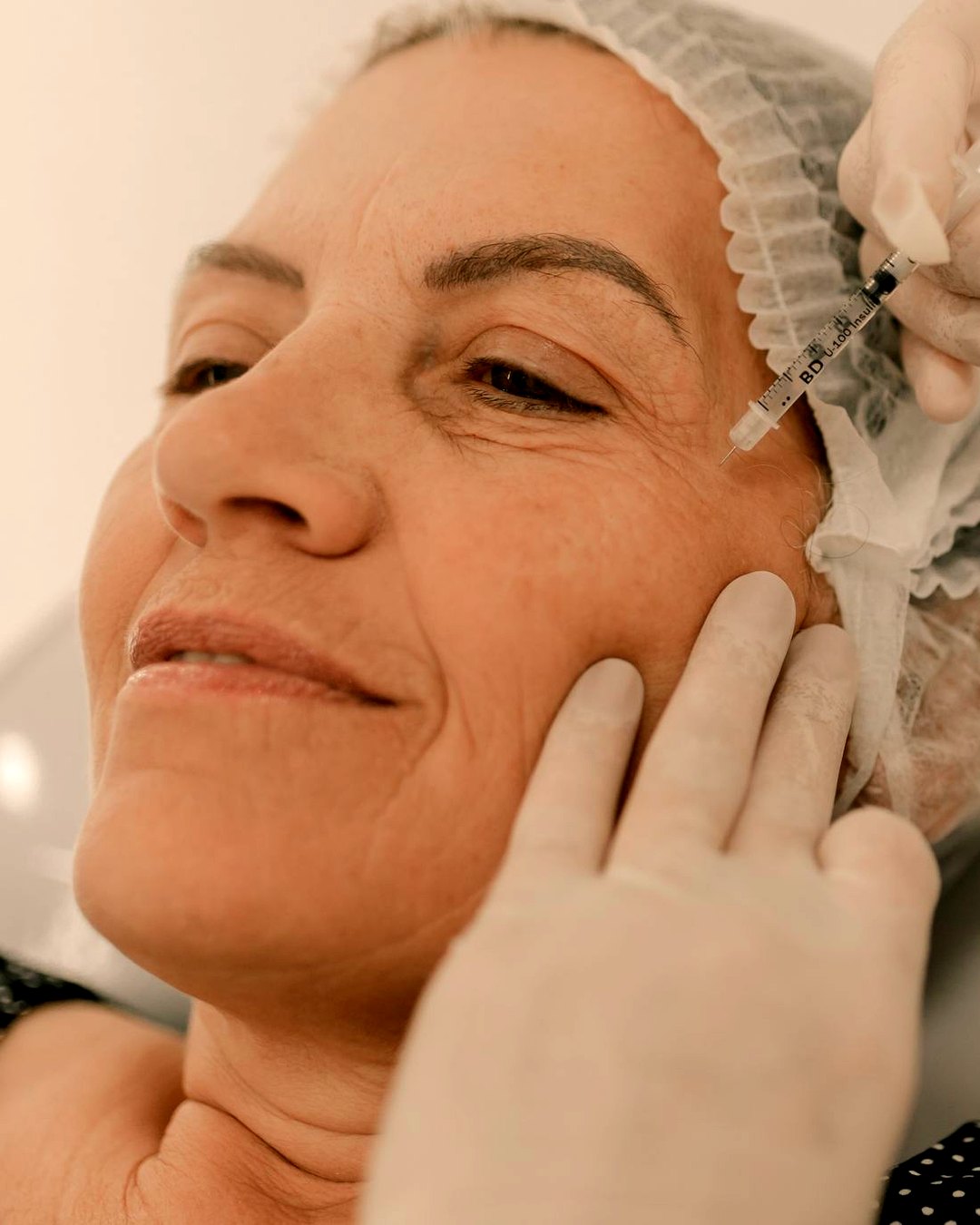
Stress, poor sleep, sun exposure, central heating and simply getting older can all leave skin looking flat and tired. Skin that was once plump and bright can start to feel dry and look dull, and make-up no longer sits the way it used to.
A full-face polynucleotide treatment works across the whole face to support the skin’s own repair processes and improve hydration from within. Over a course of sessions, many people find their skin looks healthier, more even and more radiant. It is a good choice if you want to look fresher without anyone being able to tell you have had something done.
For the best results, polynucleotides are often combined with a good daily skincare routine and SPF, and sometimes with our other skin treatments. Your doctor will advise you at your consultation.
May help with
- Dull skin that has lost its glow
- Dry or dehydrated-looking skin
- Tired-looking skin after stress or poor sleep
- Uneven skin texture
Fine Lines and Crepey Skin
Fine lines often start as texture before they become deeper wrinkles. You may notice crepey skin around the eyes, fine lines on the cheeks when you smile, or a general loss of smoothness and bounce. This is usually linked to the natural slowdown in collagen and elastin as we age.
Polynucleotides support the skin’s repair processes, which can help skin feel firmer and look smoother over time. They work differently from anti-wrinkle injections, which relax the muscles that cause expression lines such as frown lines and crow’s feet. Many people find the two work well together: anti-wrinkle injections for movement lines, polynucleotides for the quality of the skin.
Results build gradually and vary from person to person. Your doctor will tell you honestly which treatment is likely to help your lines most.
May help with
- Fine lines on the face and around the eyes
- Crepey skin texture
- Early signs of ageing
- Skin that feels less firm and springy
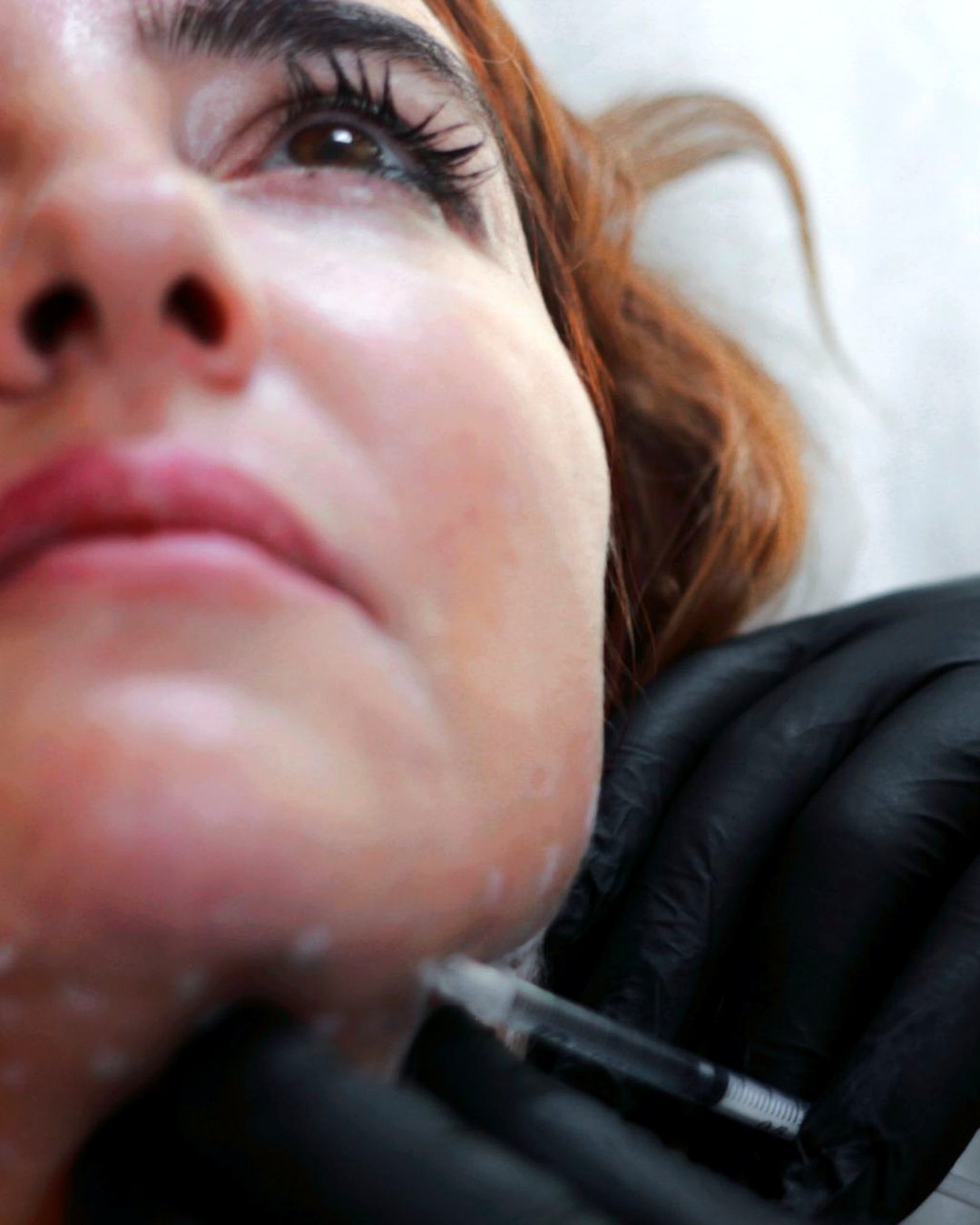
Polynucleotides for the Face and Neck
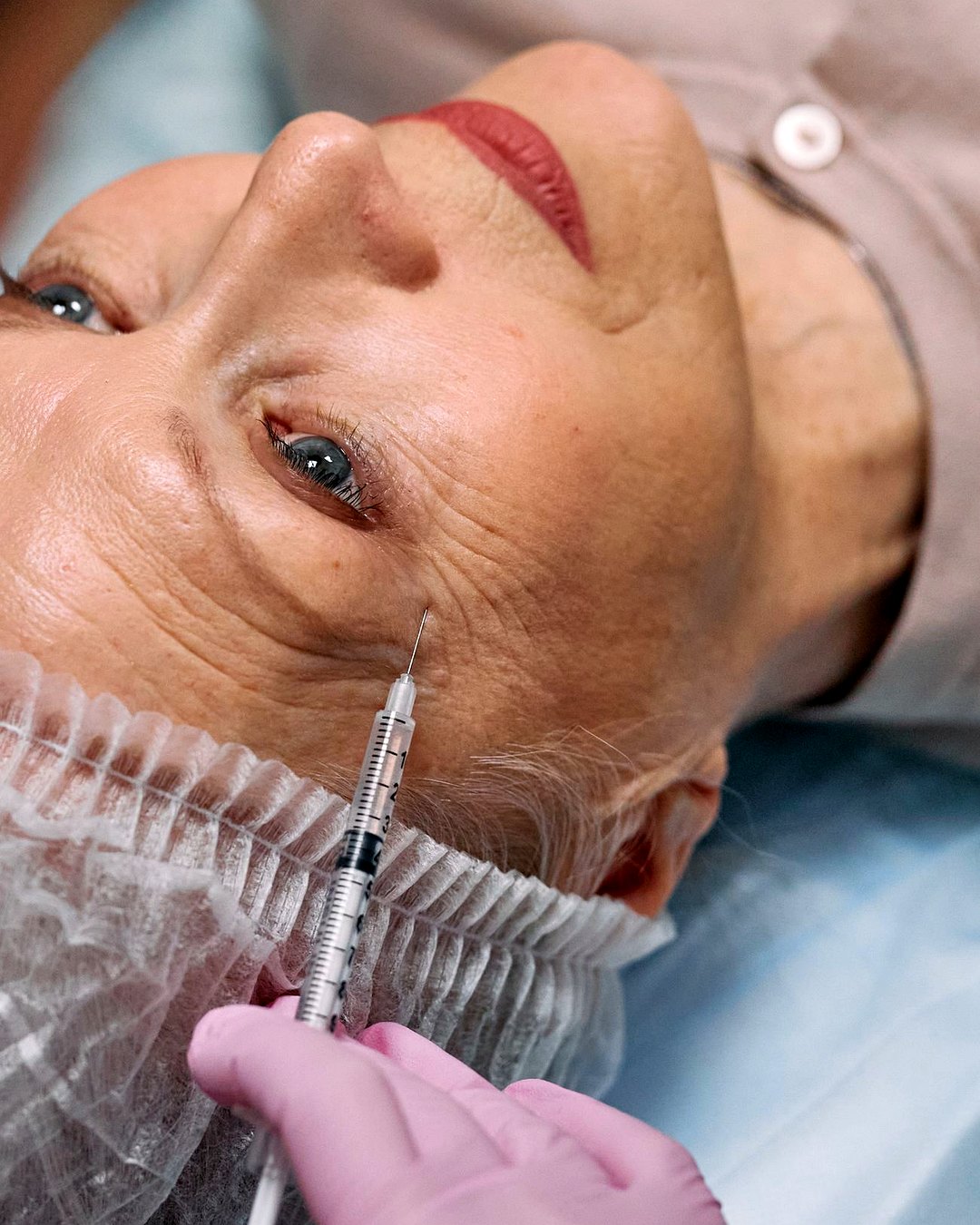
The neck is often forgotten in a skincare routine, and its thin skin can become crepey and show fine horizontal lines. It is a common concern for people who look after their face but feel their neck now gives away their age.
Our face and neck polynucleotide treatment treats both areas in the same appointment, so skin quality looks more consistent from the face down. As with the face, the aim is gradual improvement in hydration, smoothness and firmness over a course of sessions, not an instant change.
Polynucleotides are used on all skin tones. Your doctor will look at your skin, check your medical history and plan your treatment around you. The face and neck is £300 per session.
May help with
- Crepey skin on the neck
- Fine lines on the neck
- Skin quality on the face and neck together
- Dull or dehydrated skin across both areas
Polynucleotides for Men in Leicester
More men are booking skin treatments than ever, and polynucleotides are a popular choice because the results look natural. There is no added volume and nothing that changes your features, just skin that looks fresher and less tired over time.
Men’s skin is generally thicker than women’s, and many of the men we see come to us for tired-looking under-eyes, rough texture or skin that looks worn after years of sun, sport or long working hours. Treatment is quick, so it fits around work, and most men go straight back to their normal day.
Everything is discussed in a private consultation with our doctor, with no pressure to go ahead.
Popular with men for
- Tired-looking under-eyes
- Rough or uneven skin texture
- Skin that looks tired after long hours
- A fresher look that does not look ‘done’
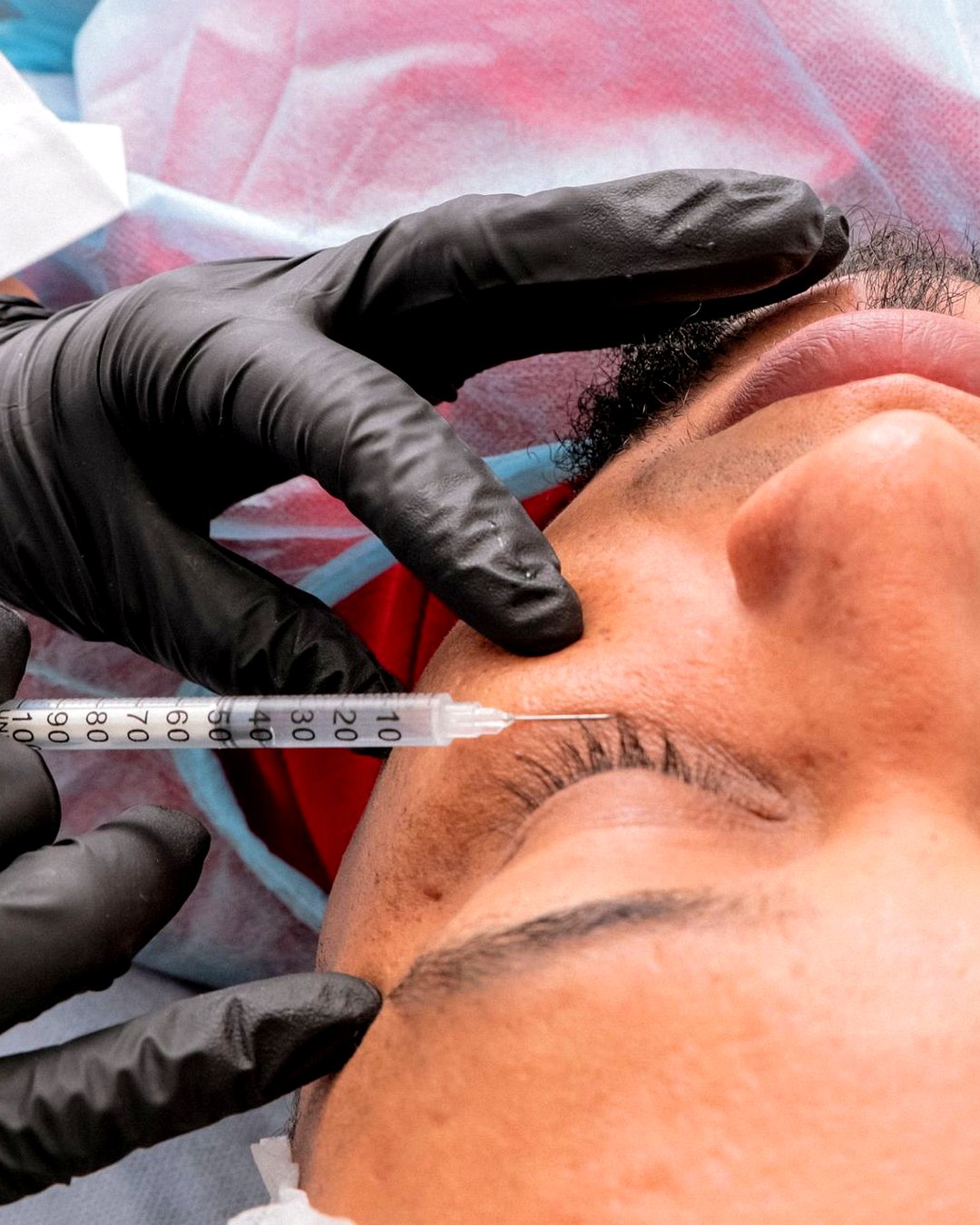
Polynucleotides in Your 30s, 40s, 50s and Beyond
There is no single right age for polynucleotides. What matters is the condition of your skin and what is bothering you. This is how the treatment is commonly used at different stages, although everyone’s skin is different.
In your 30s, the first changes are often around the eyes: skin that looks thinner and more tired, and the first fine lines. Many people in their 30s choose under-eye polynucleotides as a way to look fresher without filler, and to look after their skin as it starts to change.
In your 40s, skin often becomes drier and duller, and texture changes become more noticeable across the face and neck. A full-face or face and neck course is popular at this stage, sometimes alongside anti-wrinkle injections for expression lines.
In your 50s and beyond, and around the menopause, many people notice their skin becoming thinner, drier and more crepey, especially on the neck and around the eyes. Polynucleotides can be part of a wider plan to improve skin quality, often combined with skin tightening treatments such as Morpheus8 or HIFU where skin has become loose. Your doctor will be honest about what polynucleotides can and cannot do for your skin.
Dark Circles, Eye Bags or Crepey Skin? Which Under-Eye Concern Polynucleotides Help
“Under-eye problems” can mean very different things, and polynucleotides help some more than others. Knowing the difference saves you money on the wrong treatment.
- Thin, crepey skin: this is where under-eye polynucleotides fit best, because they work on skin quality.
- Blue or purple circles from thin skin: as skin quality improves, the tone underneath can look less obvious for some people. Results vary.
- Brown or grey pigmentation: polynucleotides do not change skin colour. Laser treatments such as ClearLift are usually a better fit. See our dark circles treatment page.
- A hollow or groove: polynucleotides do not add volume, so a deep hollow may need tear trough filler instead or as well.
- Puffy bags: polynucleotides do not remove fat-pad eye bags. See our eye bags and puffy eyes page.
Many people have more than one of these at once. Your doctor will look closely at your under-eyes at your consultation and explain which treatment, or combination, is most likely to help.
How Many Polynucleotide Sessions Do You Need?
Polynucleotides work best as a course rather than a one-off treatment, because the skin responds gradually. Most people have a course of 3 sessions, spaced a few weeks apart. Your doctor will recommend how many sessions you need and how far apart, based on your skin and the area being treated.
After your course, a top-up session later on can help keep your skin looking its best. How often you need one depends on your skin, age and lifestyle, and your doctor will advise you. For the face, a course of 3 is £600, which works out at £200 per session instead of £225.
How Do Polynucleotides Work?
Polynucleotides are chains of nucleotides, the building blocks of DNA. The polynucleotides used in aesthetic treatments are highly purified, and most products used in UK clinics are made from fish DNA, usually salmon or trout. This is why your doctor will ask about any fish or seafood allergies at your consultation.
Once injected into the skin in tiny amounts, polynucleotides are thought to support the skin’s natural repair and renewal processes. They help the skin hold on to water and support the cells that make collagen and elastin, the proteins that keep skin firm and springy. This is why they are often described as a regenerative or bio-stimulating treatment rather than a filler.
Because the changes come from the skin itself, results appear gradually over the weeks after each session, rather than straight away. Want the full science? Read our guide: how do polynucleotides work?
What Polynucleotides Can and Cannot Do
Honest expectations lead to happier results. Polynucleotides are a skin quality treatment, so it helps to know where they fit and where they do not.
Polynucleotides can help:
- Improve how hydrated and healthy your skin looks
- Make thin, crepey skin look smoother, especially under the eyes and on the neck
- Soften the look of fine lines and rough texture over a course
- Support firmer, more resilient-feeling skin
Polynucleotides will not:
- Add volume, lift cheeks or fill deep hollows
- Relax the muscles that cause frown lines and crow’s feet
- Remove puffy eye bags caused by fat pads
- Change brown pigmentation or the colour of your skin
- Tighten significantly loose or sagging skin
- Give an instant result after one session
If your main concern is on the second list, we offer treatments that are designed for it, and your doctor will point you in the right direction.
Your Doctor: Dr Tayyab Bhatti
All injectable treatments at ND Skin Aesthetics, including polynucleotides, are carried out by our in-house doctor, Dr Tayyab Bhatti. He has a great deal of experience with injectable treatments and carries out every polynucleotide treatment himself, from your first consultation to your final session.
Dr Bhatti will look at your skin, ask about your medical history and talk through what is realistic for you. If polynucleotides are not the right treatment for your concern, he will tell you, and explain what may suit you better, whether that is another injectable or one of the skin treatments carried out by our therapists. You will never be pushed into a treatment you do not need.
Polynucleotides or a Different Treatment?
Polynucleotides are one of several treatments for tired skin and under-eyes. They do different jobs, and many people benefit from more than one. This is how they compare at ND Skin.
| Treatment | What it does | Adds volume? | Popular for | Carried out by |
|---|---|---|---|---|
| Polynucleotides | Supports the skin’s own repair, hydration and firmness | No | Crepey under-eyes, dull skin, the neck | Our doctor |
| Sunekos | Skin booster combining hyaluronic acid and amino acids | No | Fine lines and loss of firmness, eye area | Our doctor |
| Baby Glow (Redensity 1) | Hydrating skin booster for glow and fine lines | No | Dehydrated, dull skin | Our doctor |
| Tear trough filler | Softens a hollow or groove under the eye | Yes | Under-eye hollows and shadows | Our doctor |
| Microneedling with exosomes | Dermapen 4 microneedling with an exosome serum | No | Texture, pores, crepey skin | Our therapists |
| Morpheus8 | Radiofrequency microneedling to tighten skin | No | Loose or crepey skin, including the eyes | Our therapists |
Not sure which is right for you? Our OBSERV skin analysis and your doctor’s consultation help work it out before any treatment is booked.
Combining Polynucleotides with Other Treatments at ND Skin
No single treatment does everything. At ND Skin we are a technology-led clinic with a wide range of treatments, so polynucleotides can be part of a wider plan that tackles different concerns in the right order. Popular combinations include:
- Polynucleotides and anti-wrinkle injections: anti-wrinkle injections soften expression lines while polynucleotides improve the skin itself.
- Polynucleotides and tear trough filler: for under-eyes with both thin skin and a hollow, skin quality is often improved first.
- Polynucleotides and laser: ClearLift or iPixel for pigmentation and texture, alongside polynucleotides for hydration and firmness.
- Polynucleotides and LED: Dermalux LED light therapy is a gentle add-on that supports calm, healthy skin.
Timing matters when combining treatments. Your doctor will plan the order and the gaps between them so each treatment can do its job.
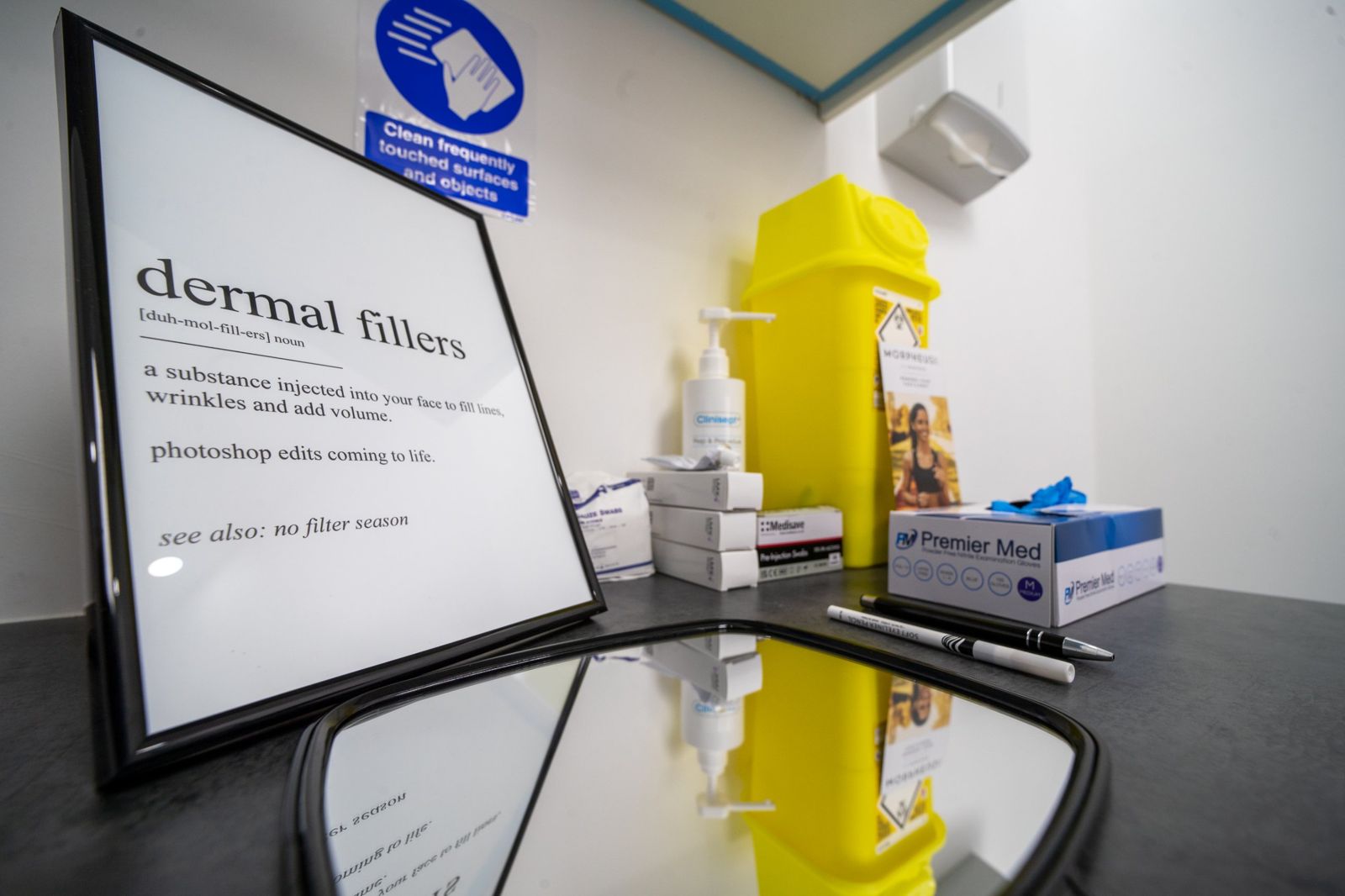
Why Choose ND Skin for Polynucleotides in Leicester?
- Every polynucleotide treatment carried out by our in-house doctor, Dr Tayyab Bhatti
- A face-to-face doctor’s consultation before any treatment
- Clear prices: under-eyes £150, face £225, face and neck £300
- A course of 3 face sessions for £600, saving £75
- Honest advice, including when another treatment would suit you better
- Rated 5.0 on Google from more than 200 reviews
- Appointments only, in a private clinic room
- On Bell Street, Wigston, a short drive from Oadby, Blaby and Leicester city
Polynucleotide Results: What to Expect
Polynucleotides work gradually as your skin responds, so the change is subtle and builds over your course. This is a typical journey, although everyone is different.
First Few Days
Small bumps, redness or mild swelling at the injection points usually settle quickly.
After Session 1
Many people notice their skin feels more hydrated in the weeks after treatment.
During Your Course
Skin quality continues to improve as you complete your course of sessions.
Keeping Your Results
A top-up later on helps maintain your results. Your doctor will advise when.
Results vary from person to person, depending on your skin, age and lifestyle. Polynucleotides are not an instant fix, and good skincare, daily SPF, not smoking and good sleep all help you get the most from your treatment.
Natural-Looking Results: Polynucleotides Are Not a Filler
One of the most common worries we hear is “I don’t want to look different.” Polynucleotides are a good choice if you feel the same. They do not add volume, change the shape of your face or freeze your expressions. Instead, they work on the quality of your skin, so you look like you, just fresher and less tired.
This also makes them a popular first step for people who are new to injectables, or who are nervous about filler. If a hollow or loss of volume is part of your concern, your doctor may talk to you about combining polynucleotides with other treatments, but only if it is right for you.
Polynucleotide Side Effects, Bumps and Downtime
Most people go back to their normal day straight after treatment. Small raised bumps at the injection points are very common straight afterwards. They are where the product sits under the skin, and they usually settle within hours to a couple of days. Redness, mild swelling and tenderness are also common.
Bruising can happen with any injection, and the under-eye area bruises more easily than the rest of the face, so it is best not to book treatment just before a big event. Serious side effects are rare, but like any injectable treatment there are risks, including infection and allergic reaction. Your doctor will explain these at your consultation. Read more in our guide to polynucleotide side effects.
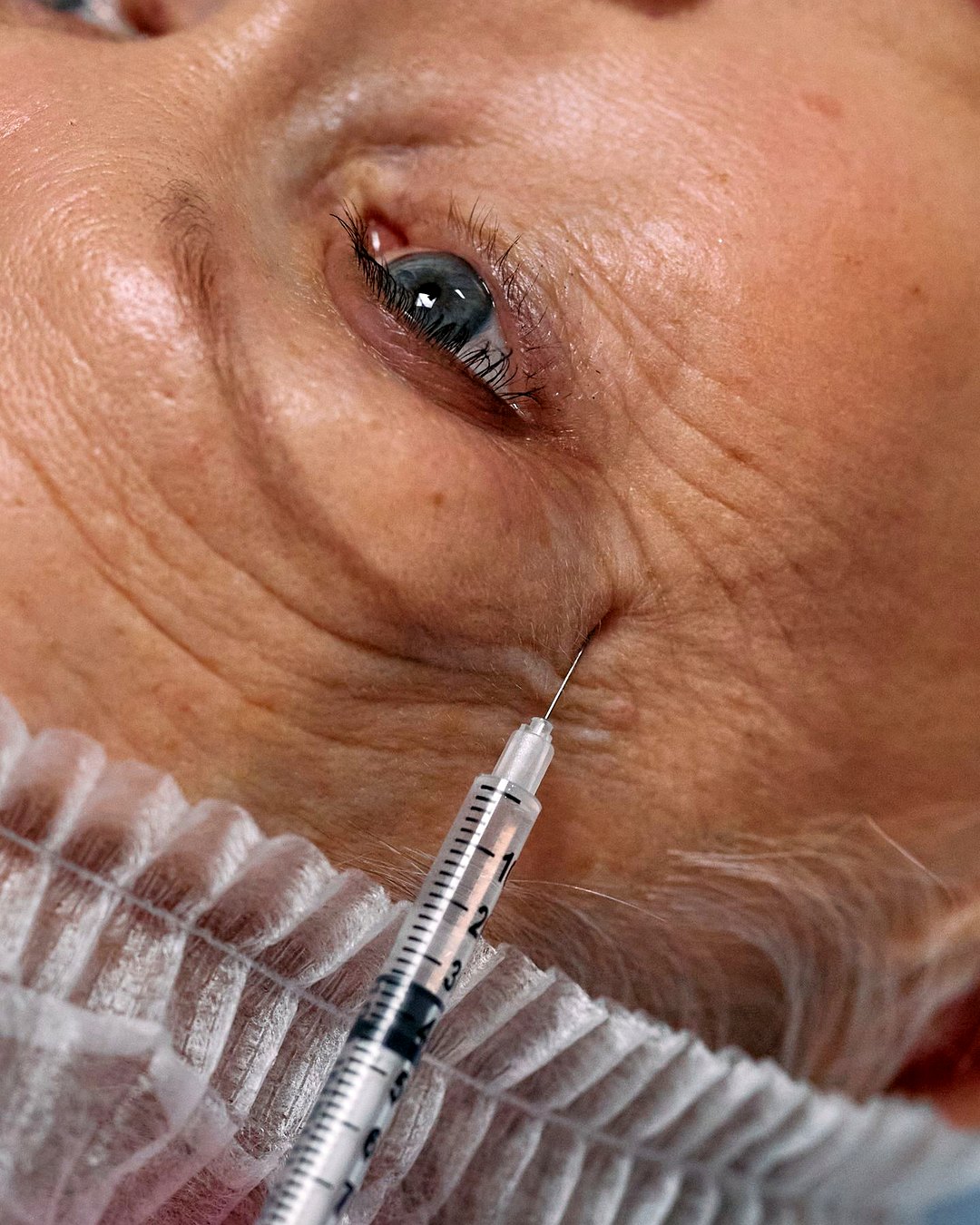
Is Polynucleotide Treatment Right for You?
Polynucleotides may suit you if you want healthier, fresher-looking skin without changing your features, and you are happy for results to build gradually over a course of treatment. They suit many ages and skin tones. Your doctor will check your medical history at your consultation to make sure the treatment is right for you.
It may suit you if you have
- Thin, crepey skin under the eyes
- Dull, tired or dehydrated skin
- Fine lines or crepey texture
- Crepey skin on the neck
- A wish for natural-looking results with no added volume
Who Should Not Have Polynucleotides?
Polynucleotides are not right for everyone. Your doctor checks your medical history first, and will not treat you if it is not safe or suitable. Please tell us at your consultation if any of these apply to you:
- You are pregnant or breastfeeding
- You have a fish or seafood allergy, or have reacted to an injectable before
- You have an active skin infection, cold sore or inflamed skin in the area
- You have an autoimmune condition or a condition that affects healing
- You take blood-thinning medicines or supplements
- You have an important event in the next couple of weeks
Some of these mean waiting or a different treatment, rather than a straight no. Your doctor will explain your options.
Your £35 Doctor’s Consultation
Every polynucleotide treatment starts with a face-to-face consultation with our in-house doctor, Dr Tayyab Bhatti. He will look at your skin, ask about your medical history and any allergies, explain how the treatment works and recommend the right area and course for you.
The doctor’s consultation costs £35 and is paid at the time of booking, because it reserves time in the doctor’s diary. If you go ahead with treatment, or buy anything, on the same day, the fee comes off what you pay. If you do not have treatment or buy anything on the day, the fee covers the consultation and is not taken off a later treatment. There is no pressure to book on the day.
Your First Polynucleotide Appointment, Step by Step
If you have never had an injectable treatment before, it helps to know exactly what happens. This is what to expect at our Wigston clinic.
Arriving: we are appointment only, so there is no waiting room full of people. You will be welcomed and asked to complete a medical history form if you have not done so already.
Consultation: Dr Bhatti will ask about your concerns, look closely at your skin and talk through your medical history, medicines and allergies. He will explain how polynucleotides work, what results are realistic for you, the possible side effects and how many sessions he recommends. This is the time to ask anything.
Deciding: there is no pressure to go ahead on the day. If you would like to go away and think about it, that is absolutely fine.
Treatment: your skin is cleansed, and tiny amounts of polynucleotides are placed into the skin with a very fine needle. You will see small bumps where the product sits, which is normal.
Afterwards: you will be given aftercare advice, and you can book your next session in your course before you leave. Most people go straight back to their day.
How Polynucleotide Treatment Works
Treatment is carried out at our clinic in Wigston and is quick, with most people going straight back to their normal day.
1. Consultation
Your doctor checks your skin, medical history and allergies, and plans your course.
2. Preparation
Your skin is cleansed and the area to be treated is marked.
3. Treatment
Tiny amounts of polynucleotides are injected into the skin with a very fine needle.
4. Aftercare
You go home with aftercare advice and book your next session in your course.
Before Your Polynucleotide Treatment
- Tell us about any medicines, supplements, allergies or medical conditions
- Avoid alcohol for 24 hours before, as it can increase bruising
- Come with clean skin, free of make-up if possible
- Avoid booking just before a big event
After Your Polynucleotide Treatment
- Small bumps, redness or mild swelling are common and usually settle quickly
- Avoid make-up on the treated area for 24 hours
- Avoid saunas, steam rooms and strenuous exercise for 24 hours
- Contact us if you have any concerns
Polynucleotide Aftercare
Good aftercare helps your skin settle well. For the first 24 hours, avoid make-up on the treated area, touching or rubbing the skin, alcohol, saunas, steam rooms, hot baths and strenuous exercise. Sleep with your head slightly raised the first night if you have had your under-eyes treated.
Wash your face gently and avoid strong active skincare such as retinol, acids and exfoliants for a few days. Use SPF 30 or higher every day. If you notice anything unusual, such as increasing pain, heat or swelling, contact the clinic straight away. You will be given written aftercare advice on the day.
Polynucleotides and Your Skincare Routine
Polynucleotides work from within the skin, but what you do every day still makes a real difference to your results. The skin you build with a course of treatment is easier to keep with a few simple habits.
- Daily SPF: sun exposure is one of the biggest causes of skin ageing. Use SPF 30 or higher every day, even in winter and on cloudy days in Leicester.
- Gentle cleansing and hydration: a simple, gentle routine supports your skin barrier between sessions.
- Pause strong actives briefly: avoid retinol, acids and exfoliants for a few days around each session, then restart as advised.
- Sleep, water and not smoking: all help your skin respond well to treatment.
Not sure your current routine suits your skin? Our OBSERV skin analysis looks beneath the surface of your skin and helps us plan treatments and products around what it actually needs.
Polynucleotide Safety: Risks Explained Honestly
Polynucleotides are an injectable treatment, so it is important they are carried out by an experienced practitioner in a clean clinical setting, after a proper consultation. At ND Skin Aesthetics, every treatment is carried out by our in-house doctor.
Common, temporary effects include bumps at the injection points, redness, swelling, tenderness and bruising. Less common risks include infection, allergic reaction and lumps that take longer to settle. Because most polynucleotide products come from fish DNA, a fish or seafood allergy is an important thing to tell your doctor about.
Your doctor will talk you through the risks for your skin before you decide, and you will have our clinic’s contact details if you have any concerns after treatment.
Polynucleotide Prices in Leicester
Pay per session or save with a course of 3 for the face. Every treatment starts with a doctor’s consultation, paid at booking and redeemable on the day only. Tap a price to request a booking.
Tap any price to request a booking. Every treatment starts with a doctor's consultation.
Polynucleotide Treatment
Course savings compared with 3 single face syringes. Doctor’s consultation £35, paid at booking. It comes off your bill only if you have treatment or buy anything on the same day.
How Much Do Polynucleotides Cost in Leicester?
Polynucleotides at ND Skin Aesthetics start from £150 for the under-eye area. A full-face session is £225, and the face and neck together is £300. A course of 3 face sessions is £600, which works out at £200 per session.
When comparing prices, check what is included. Ask who carries out the treatment, whether there is a consultation first and how many sessions you are likely to need. At ND Skin, every polynucleotide treatment is carried out by our doctor, and Your £35 consultation is paid at the time of booking and comes off your bill only if you have treatment or buy anything on the same day.
What Our Clients Say
Rated 5.0 on Google from more than 200 reviews. Results vary from person to person.
“The Doctor T is brilliant at explaining the whole process of my injectable testament. I was so worried until I had the consultation and realized I was in good hands. Lovely clinic.”
Georgia Ellis
Injectables with our doctor · Google review
“Very professional staff who explain the treatment properly and made me feel comfortable. Lovely clinic would recommend.”
Allison Culbertson
ND Skin Aesthetics · Google review
“Excellent service. Clean, neat and approachable staff.”
ND Skin client
March 2025 · Google review
Had polynucleotides with us? We would love to hear how it went: leave a Google review.
Polynucleotides Near Me: Wigston, Oadby, Blaby and Leicester
ND Skin Aesthetics is at 32 Bell Street, Wigston, Leicester LE18 1AD. We see clients for polynucleotides from Wigston, South Wigston, Wigston Fields, Oadby, Blaby, Braunstone, Countesthorpe, Whetstone, Kibworth, Great Glen, Fleckney, Knighton, Stoneygate, Evington, Leicester city centre and across Leicestershire, including Market Harborough and Lutterworth.
From Oadby we are around 5 minutes by car, and around 15 minutes from Leicester city centre. If you are searching for polynucleotides near me anywhere in south Leicester, we are close by. Call 0116 288 7267, message us on WhatsApp or book your doctor’s consultation online. Appointments only.
Find ND Skin Aesthetics on Google Maps · Read our 200+ Google reviews · Had polynucleotides with us? Leave a review
Other Skin Booster and Injectable Treatments with Our Doctor
Polynucleotides are one of several injectable treatments our doctor offers. Others include Sunekos skin boosters, Baby Glow, tear trough filler, lip fillers, dermal fillers and anti-wrinkle injections. See all injectables in Leicester.
Polynucleotide FAQs
How do I choose a polynucleotide clinic in Leicester?
Ask which polynucleotide product is used, who injects it, how many sessions you need and what a course costs. At ND Skin Aesthetics in Wigston, polynucleotides are carried out by our doctor, Dr Tayyab Bhatti, with prices published on this page. Results vary from person to person.
What are polynucleotides?
Polynucleotides are highly purified DNA fragments, usually from fish such as salmon or trout, injected into the skin in tiny amounts. They support the skin’s natural repair processes to improve hydration, firmness and overall skin quality, without adding volume.
Who carries out polynucleotide treatment at ND Skin?
Every polynucleotide treatment is carried out by our in-house doctor, Dr Tayyab Bhatti, an experienced injector.
Do I pay for the doctor’s consultation when I book?
Yes. The £35 consultation is paid at the time of booking, because it reserves time in the doctor’s diary. If you have treatment or buy anything on the day of your consultation, the fee comes off what you pay. If you do not, the fee covers the consultation and is not taken off a later treatment.
How much do polynucleotides cost in Leicester?
At ND Skin in Wigston, polynucleotides are £150 for the under-eye area, £225 for the face and £300 for the face and neck. A course of 3 face sessions is £600. The £35 doctor’s consultation is paid at the time of booking and comes off your bill only if you have treatment or buy anything on the same day.
Are polynucleotides good for under-eyes?
Under-eyes are one of the most popular areas for polynucleotides. They suit thin, crepey under-eye skin because they improve skin quality without adding volume. They do not remove puffy eye bags or fill deep hollows.
How many polynucleotide sessions will I need?
Most people have a course of 3 sessions, a few weeks apart. Your doctor will recommend the right number and spacing for your skin at your consultation.
How long do polynucleotides take to work?
Polynucleotides work gradually. Many people notice their skin feels more hydrated in the weeks after their first session, with skin quality improving further over the course. Results vary from person to person.
How long do polynucleotide results last?
This varies from person to person, depending on your skin, age and lifestyle. A top-up session later on helps maintain your results, and your doctor will advise you when.
Do polynucleotides hurt?
Polynucleotides are injected with a very fine needle. Most people find it very manageable, with a short stinging feeling during the injections. Your doctor will talk you through what to expect.
What are the bumps after polynucleotides?
Small raised bumps at the injection points are very common and are where the product sits under the skin. They usually settle within hours to a couple of days.
Is there any downtime after polynucleotides?
Downtime is usually minimal. Most people go back to their normal day straight away. Bumps, redness and mild swelling are common, and bruising can happen, especially under the eyes.
Are polynucleotides a filler?
No. Polynucleotides do not add volume or change the shape of your face. They work on the quality of your skin. If you have a hollow under the eyes, tear trough filler is a different treatment that adds volume.
Polynucleotides or tear trough filler: which is better?
They treat different things. Polynucleotides improve the quality of thin, crepey skin, while tear trough filler adds volume to a hollow. Many people suit polynucleotides first. Your doctor will advise which suits your under-eyes.
What age can you have polynucleotides?
There is no single right age. Many people start in their 30s for under-eyes, and polynucleotides are also popular in the 40s, 50s and beyond for dull, dry or crepey skin. Your doctor will advise whether they suit your skin.
Are polynucleotides made from salmon DNA?
Most polynucleotide products used in UK clinics are made from highly purified fish DNA, usually salmon or trout. Please tell us if you have a fish or seafood allergy.
Will polynucleotides help dark circles?
They can help when dark circles are caused by thin skin. They do not change brown pigmentation or fill hollows. Your doctor will check what is causing your dark circles first.
Polynucleotides or Sunekos: which is right for me?
Both are skin boosters carried out by our doctor. Polynucleotides support skin repair and are popular for crepey under-eyes, while Sunekos combines hyaluronic acid and amino acids for fine lines and loss of firmness. Your doctor will recommend the best option for your skin.
Are polynucleotides safe?
Polynucleotides are widely used in UK aesthetic clinics. Like any injectable, there are risks, which your doctor will explain. Common effects are bumps, redness, swelling and bruising. Tell us about any allergies, especially to fish or seafood.
Who should not have polynucleotides?
Treatment is not suitable during pregnancy or breastfeeding, with a fish or seafood allergy, with an active skin infection in the area, or with some medical conditions. Your doctor checks your medical history first.
Can polynucleotides be used on the neck?
Yes. The neck is a popular area for crepey skin and fine lines. Our face and neck treatment is £300 per session.
Do men have polynucleotides?
Yes. Polynucleotides are popular with men who want fresher-looking skin and less tired under-eyes, with natural results and no added volume.
Are polynucleotides suitable for all skin tones?
Polynucleotides are used on all skin tones. Your doctor will look at your skin and medical history at your consultation to make sure the treatment is right for you.
Can I combine polynucleotides with other treatments?
Often, yes. Polynucleotides can be planned alongside anti-wrinkle injections, other skin boosters or skin treatments carried out by our therapists. Your doctor will advise on what to combine and the right timing.
Can I wear make-up after polynucleotides?
Avoid make-up on the treated area for 24 hours, unless your doctor advises otherwise.
When can I exercise after polynucleotides?
Avoid strenuous exercise, saunas and steam rooms for 24 hours after treatment.
Do I need a consultation before polynucleotides?
Yes. Every treatment starts with a face-to-face consultation with our doctor. It costs £35 and is paid at the time of booking, because it reserves time in the doctor’s diary. If you go ahead with treatment, or buy anything, on the same day, the fee comes off what you pay. If not, the fee covers the consultation and is not taken off a later treatment.
Do you offer polynucleotides near Oadby and Wigston?
Yes. ND Skin Aesthetics is at 32 Bell Street, Wigston, Leicester LE18 1AD, around 5 minutes from Oadby and a short drive from Blaby, Braunstone and Leicester city centre. Appointments only.
How do I book polynucleotides in Leicester?
Book your doctor’s consultation online, call 0116 288 7267 or message us on WhatsApp. We will find a time that suits you at our Wigston clinic.
Can I have polynucleotides if I have had filler before?
Often, yes. Tell your doctor about any previous filler or injectables at your consultation, so your treatment can be planned safely.
How often should I have polynucleotide top-ups?
After your course, a top-up session later on helps maintain your results. How often depends on your skin, age and lifestyle, and your doctor will advise you.
Is polynucleotide treatment worth it?
If your main concern is thin, crepey or tired-looking skin and you are happy with gradual, natural-looking results, many people find it worthwhile. If you want instant volume or lifting, another treatment may suit you better.
Book Your Polynucleotide Consultation in Leicester
Fresher, healthier-looking skin starts with a consultation with our doctor at our Wigston clinic, paid at booking and redeemed only if you have treatment or buy anything on the day.
Written by the ND Skin Aesthetics team · Last updated