Written by the ND Skin Aesthetics team, Wigston, Leicester. Last updated 13 November 2026.
Tight, dull or dry skin on your face, and a shelf full of rich creams that never quite help? You’re not alone. The difference between dry and dehydrated skin catches plenty of people out, and it matters, because one needs oil and the other needs water. Here’s how to tell dry vs dehydrated skin apart, what to do about each, and when to ask a professional.
Dry vs Dehydrated Skin: The Quick Answer
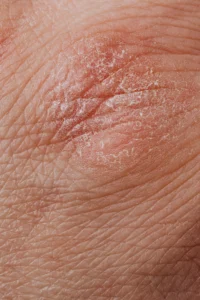
Dry skin lacks oil and is a skin type you’re born with. Dehydrated skin lacks water and is a temporary condition. Any skin type can be dehydrated, including oily and combination skin, so you can have both at once.
- Dry skin: short of oil (lipids), long-term
- Dehydrated skin: short of water, changes with weather, habits and products
- Both together: very common
Dermatologist Dr Ariel Haus makes the same point in La Roche-Posay UK’s guide: you don’t need dry skin to have dehydrated skin. So dry vs dehydrated skin is really a question of skin type versus skin condition.
| Feature / Aspect | Dry skin | Dehydrated skin |
| Lacking | Oil | Water |
| Nature | Skin type | Condition |
| Looks | Flaky, rough | Dull, tight, fine lines |
| Helped by | Ceramides, emollients | Hyaluronic acid, glycerin |
What Is Dry Skin?

If you’ve been asking “why is my skin so dry?”, oil is often the answer. Dry skin doesn’t make enough sebum, the natural oil that seals moisture in. Without it, the skin barrier struggles to hold water, so skin feels rough and tight and may flake, particularly during cold, centrally heated UK winters.
- Common causes: genetics, age, harsh soaps, scrubbing, long hot showers
- Signs: flaking, rough patches, itching, tightness all over
- Pattern: it’s there all year and gets worse in winter
NHS-based self-care guidance, such as this leaflet from NHS Shropshire, Telford and Wrekin, lists scrubbing, harsh soaps and central heating as common triggers. Since the problem is oil, richer creams with ceramides and emollients usually make the biggest difference.
What Is Dehydrated Skin? Signs to Look For
Dehydrated skin is short of water, not oil. The outer layer of skin holds only about 10 to 20 per cent water, so small losses show quickly as dullness, tightness and fine lines, even if your skin is oily.
- Common causes: central heating, sun exposure, over-cleansing, too much exfoliation, caffeine and alcohol, hard water
- Signs: dull tone, tightness, fine lines that appear overnight, patchy makeup
- Classic clue: a shiny T-zone with tight cheeks
Hard water is part of the picture here in Leicestershire. Severn Trent supply data puts the South East Leicester zone, which covers just over half of LE18 postcodes, at 247 mg/l, which counts as hard. Some dermatologists link hard water with drier, more dehydrated skin, so a short, warm shower is a sensible habit.
Is My Skin Dry or Dehydrated? How to Tell
Cleanse, pat dry and wait 30 minutes. Flaking and roughness point to dry skin. Tightness, dullness and fine lines that show when you gently pinch your cheek point to dehydration. Plenty of people have a mix of both.
- Bare-face test: cleanse, apply nothing, then check how your skin looks and feels after 30 minutes.
- Pinch test: gently pinch a cheek. Fine lines, or skin that is slow to settle back, suggest dehydration (FirstDerm describes this test).
- Pattern check: does it happen all year, or only when the weather or your routine changes?
No home test is a diagnosis. If you’re still unsure, book a professional skin analysis, such as our OBSERV 520x skin analysis. It’s the first step for any skin concern: we scan your skin, see what’s really going on beneath the surface, and then plan your treatment stage by stage. It’s £35 and redeemable against treatment of £100 or more.
How to Care for Dry and Dehydrated Skin
Dry skin needs oil-replacing creams. Dehydrated skin needs water-binding ingredients, then a moisturiser to seal them in. Both need gentle cleansing, warm rather than hot water, and daily SPF.
- Dry skin: cream cleanser, ceramide or emollient moisturiser, applied to damp skin
- Dehydrated skin: hyaluronic acid or glycerin serum under a moisturiser, with fewer exfoliating acids
- Both: moisturise soon after washing and wear SPF every day
The usual slip-up with dry vs dehydrated skin is reaching for a heavy cream when the real issue is water, or skipping moisturiser because your skin looks oily. If you’d like products matched to your skin, we stock ZO Skin Health, Medik8 and Heliocare sun protection.
When Home Care Isn’t Enough
See a professional if dryness or tightness lasts beyond a few weeks of good care, or if your skin turns sore, inflamed or very itchy. Persistent patches may be eczema or rosacea, which need proper assessment rather than more moisturiser.
- No improvement after two to four weeks of gentler habits
- Stinging, burning or persistent redness
- Cracked or bleeding skin
- A sudden change with no obvious cause
For anything that looks medical, speak to your GP or pharmacist first. For concerns like rosacea or acne, our team can talk you through whether a clinic treatment makes sense.
Professional Skin Treatments at ND Skin Aesthetics, Wigston
Every plan at ND Skin Aesthetics starts with an OBSERV 520x skin analysis and consultation, because dry and dehydrated skin need different treatment. From there, we build your plan stage by stage. We’re at 32 Bell Street, Wigston, and look after clients from Leicester, Oadby, Blaby and the wider county.
- HydraFacial: cleanses, extracts and hydrates in one visit
- Dermalux LED light therapy: gentle light for calmer-looking skin
- Peels: only where your skin is suitable
- Medical-grade skincare: home routines to extend clinic results
We’ve been open since 2021 and are rated 5.0 on Google. Skin consultations are £35, redeemable against treatment of £100 or more. Book online or call 0116 288 7267. Results vary from person to person.
How to Tell What Your Skin Really Needs
Dry skin lacks oil. Dehydrated skin lacks water. Once you know which of dry vs dehydrated skin you’re dealing with, your routine finally makes sense. If you’re still unsure, book a consultation (£35, redeemable against treatment of £100 or more).
FAQs
Q: Can oily skin be dehydrated?
A: Yes. Oil and water are separate things, so oily skin can still be short of water. A shiny T-zone with tight, dull cheeks is the typical giveaway.
Q: Can I have dry and dehydrated skin together?
A: Yes. When skin loses water faster, according to this skin hydration review, it looks dry and flaky. Without enough oil to hold water in, dry skin often becomes dehydrated too.
Q: Does drinking more water fix dehydrated skin?
A: Staying hydrated is good for you, but water alone rarely fixes dehydrated skin. Gentler washing, barrier care and water-binding products usually do more.
Q: How long does dehydrated skin take to improve?
A: It depends on the cause. Swapping hot showers and harsh cleansers often helps first. If nothing changes after a few weeks, get it checked.
Q: Can I have a HydraFacial with dehydrated skin?
A: Often, yes, since HydraFacial focuses on cleansing and hydrating. Suitability depends on your skin on the day, so a consultation comes first.
Sources: La Roche-Posay UK | NHS Shropshire, Telford and Wrekin | Typology, role of water in skin | Verdier-Sévrain and Bonté, J Cosmet Dermatol 2007 | Tap Water Data, LE18 | FirstDerm | ND Skin Aesthetics