Quick answer
PRP (platelet-rich plasma) can help some people with early, gradual thinning, such as pattern hair loss in men and women. Research suggests it can add a modest amount of hair density while hair follicles are still active. It will not regrow hair on smooth, bald areas, results usually take 3 to 6 months to show, and most people need a course of 3 to 6 sessions. Results vary from person to person.
Written by the ND Skin Aesthetics team · Last updated 23 November 2026 · Results vary from person to person
“Does PRP actually work for hair loss?” is the question we hear most at our clinic in Wigston. The honest answer is: it can, for the right person, at the right stage. This guide explains what PRP does, what the evidence says, who it suits, how many sessions you need and how long it takes, so you can decide whether it is worth it for you.
What is PRP hair treatment?
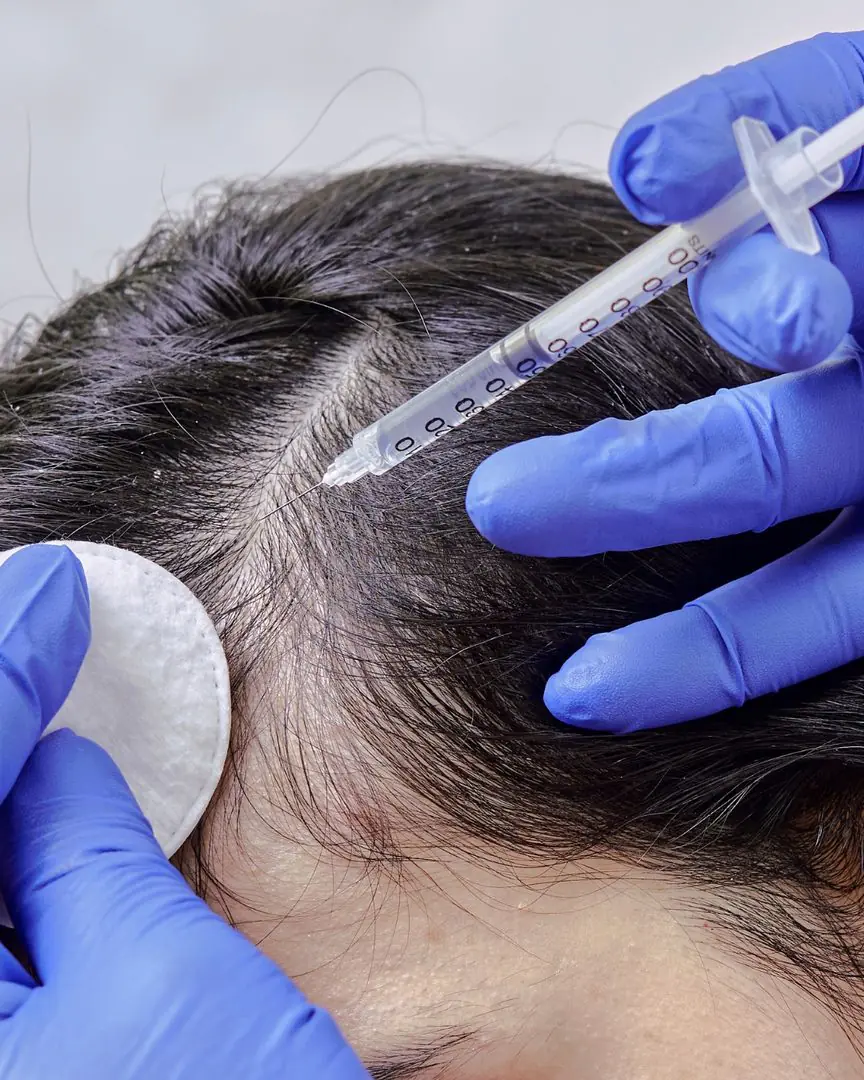
PRP stands for platelet-rich plasma. A small sample of your own blood is taken and spun in a centrifuge, which separates the platelet-rich plasma from the rest of the blood. Platelets contain growth factors, proteins that play a part in repair and cell growth. The plasma is then placed into the thinning areas of your scalp, either with fine injections or with scalp microneedling.
You may also hear it called the “vampire hair treatment”. Because PRP is made from your own blood, nothing synthetic is added. At ND Skin Aesthetics your blood is taken by a qualified phlebotomist, and every session finishes with 20 minutes of Dermalux red light.
Does PRP work for hair loss? What the evidence says
Randomised trials suggest PRP increases hair density in pattern hair loss (androgenetic alopecia), but the gain is modest and the evidence is mixed:
- Li et al. (2023), 10 randomised trials: about 25 more hairs per square centimetre than the control groups (95% CI 9.03 to 41.15), with no significant change in hair thickness (diameter). Gains were stronger in male-only trials.
- Kieling et al. (2024): about 27.5 more hairs per square centimetre than placebo, but results varied widely between studies, and the authors called for better-quality trials.
- A 2022 analysis of 17 trial groups: average hair density rose from about 142 to 178 hairs per square centimetre after PRP.
In plain terms, that is a real but modest gain for some people, not a full head of hair back. The NHS names finasteride and minoxidil as the main medicines for pattern hair loss, and no hair loss treatment works for everyone. So PRP is best seen as a treatment that may help, not a guaranteed fix.
What the research and our experience agree on:
- It works best early. PRP supports follicles that are still producing hair, even if the hairs have become finer. It cannot bring back follicles that have stopped working.
- It is a course, not a one-off. Results build over several sessions spaced about 4 weeks apart.
- It needs maintenance. Hair loss usually continues over time, so most people have a top-up every 3 to 4 months to hold on to their results.
- It suits gradual thinning. It is not a treatment for sudden, patchy or scarring hair loss, which needs medical assessment.
PRP and hair growth: how it is thought to work
Hair grows in cycles. With pattern hair loss, the growing phase gets shorter and follicles gradually shrink, so hairs come back thinner and shorter. The growth factors in PRP are thought to support the follicles and the blood supply around them, which may help hairs stay in the growing phase for longer and grow back thicker. That is why PRP hair regrowth is usually seen as denser, fuller-looking hair and less shedding, rather than brand-new hair on bald skin.
Is PRP good for thin hair?
Yes, thinning hair is where PRP is most often used. It may suit you if you have:
- A widening parting or see-through areas on top (common in women)
- Early thinning at the crown or temples (common in men)
- More hair in the brush or shower than usual, over several months
- Hair that has become finer and flatter
PRP is less likely to help if an area is completely smooth and shiny, if your hair loss is sudden or in patches, or if it is caused by something your GP should check, such as low iron, thyroid problems or a recent illness. The NHS advises seeing your GP before going to a private hair clinic, and we agree: at our £35 hair consultation we check your history, take baseline photos and tell you honestly if PRP is not right for you.
Does PRP work for a receding hairline?
It can help a receding hairline where there are still fine hairs along the edge. Where the hairline has been bare for a long time, PRP is unlikely to bring it back. We look at your hairline closely and take photos at your consultation, and we will tell you honestly if we think PRP is not the right choice.
PRP for hair loss in women
Many of our PRP clients are women with female pattern thinning, usually a widening parting or thinning on top. PRP is often used for this, and it can sit alongside other care your GP recommends. Hair loss in women can also be linked to iron levels, thyroid function, hormones, pregnancy or stress, so we may suggest blood tests with your GP first. PRP is not suitable during pregnancy or breastfeeding.
How many PRP sessions for hair loss?
Most people start with a course of 3 or 6 sessions, about 4 weeks apart. A course of 3 is a good way to see how your hair responds; a course of 6 gives the treatment more time to work. After your course, a top-up session every 3 to 4 months helps maintain the results.
How long does PRP take to work for hair?
- First weeks: some people notice less shedding.
- 8 to 12 weeks: early changes in thickness may start to show in progress photos.
- 3 to 6 months: the main results are usually seen.
Hair grows slowly, so it is normal to see little change in the first month. This is why we take photos from the same angles at every visit and compare them with your starting photos.
PRP hair treatment before and after: what to expect
Results are best judged with photos, because day-to-day changes are hard to see in the mirror. At ND Skin we take baseline photos at your consultation and repeat them at every session, then review them with you at 8 to 10 weeks and again at 3 to 6 months. Results vary from person to person, so be wary of before and after photos that promise dramatic regrowth.
PRP vs minoxidil and other hair loss treatments
PRP is not a replacement for medicines. Here is how the main options compare:
- Minoxidil: a licensed medicine applied to the scalp every day, for men and women, available from pharmacies.
- Finasteride: tablets for men only, on prescription; not for women.
- Hair transplant: surgery for more advanced hair loss (we do not offer it).
- PRP: a non-surgical, in-clinic treatment made from your own blood, best for earlier thinning, given in sessions a few weeks apart.
Some people use PRP alongside minoxidil. If you are thinking about any medicine for hair loss, speak to your GP or pharmacist, and tell us what you already use.
PRP side effects on the scalp
PRP uses your own plasma, so allergic reactions are rare. Common, short-lived effects include:
- Tenderness or a tight feeling on the scalp for a day or two
- Mild redness, swelling or pinpoint bleeding where the injections were placed
- Slight bruising where the blood sample was taken
- An occasional mild headache on the day
PRP is not suitable if you have a blood or platelet disorder, take certain blood-thinning medicines, have an active scalp infection, are having cancer treatment, or are pregnant or breastfeeding. We go through your medical history before treatment.
So, is PRP worth it?
PRP is worth considering if your hair is thinning gradually, you have caught it early and you are happy to commit to a course and occasional top-ups. It is less likely to be worth it for long-standing baldness or sudden, patchy hair loss. The best way to find out is a hair consultation, where we look at your scalp, take baseline photos and tell you honestly whether we think PRP will help.
PRP hair treatment in Leicester at ND Skin Aesthetics
We offer two options at our clinic at 32 Bell Street, Wigston, a few minutes from Oadby and about 15 minutes from Leicester city centre:
- Classic PRP: PRP scalp injections, £200 a session, £500 for a course of 3 or £900 for a course of 6
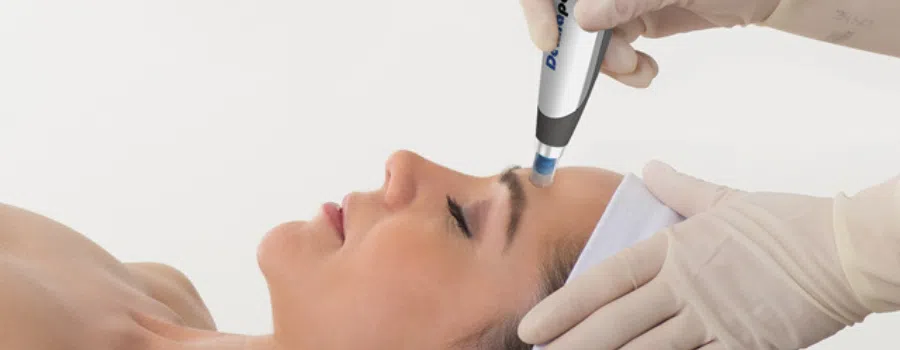
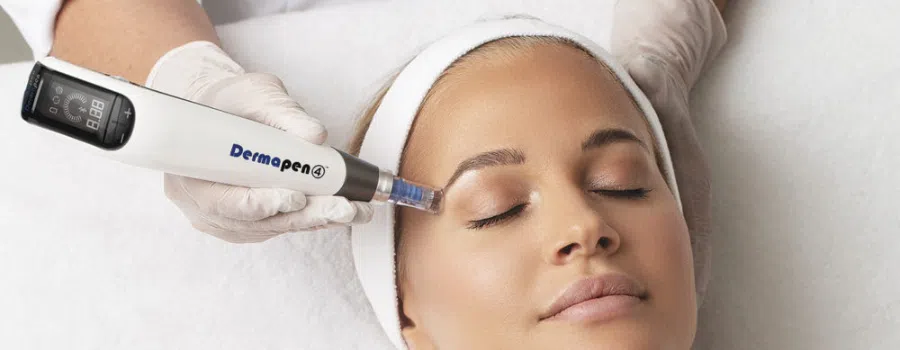
- PRP Boost: PRP with Dermapen 4 scalp microneedling, £250 a session, £600 for 3 or £1,020 for 6
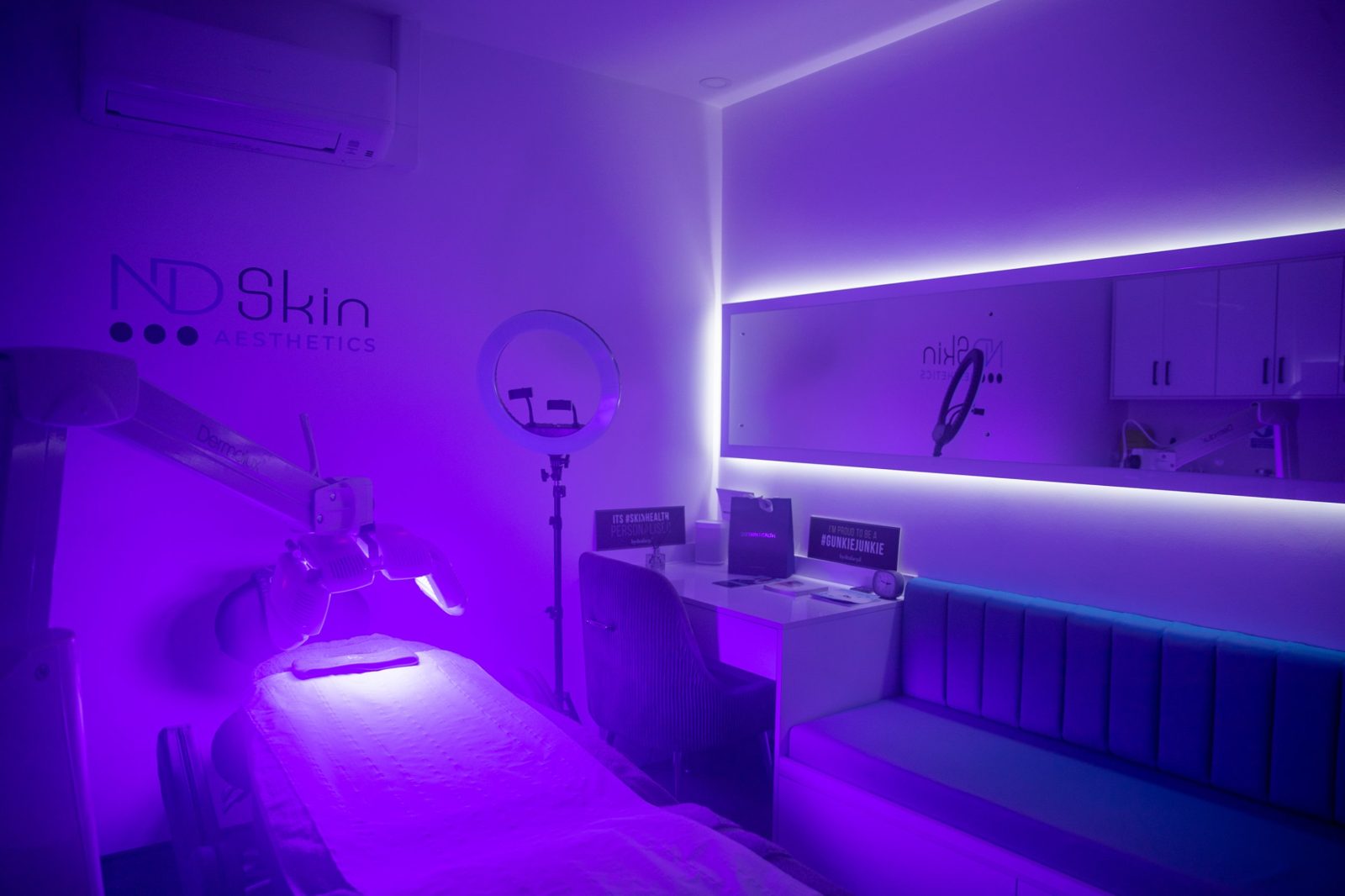
Every session includes 20 minutes of Dermalux red light, and your progress is tracked with photo reviews. A hair consultation is £35. See prices, the step-by-step process and how to prepare on our PRP hair treatment in Leicester page, read about PRP with microneedling for hair loss, or explore all options on our hair loss treatment page.
Frequently asked questions
Does PRP work for hair loss?
It can help some people with early, gradual thinning, such as pattern hair loss. Trials show a modest increase in hair density on average. It does not regrow hair on bald areas, and results vary from person to person.
How many PRP sessions do I need for hair loss?
Most people have a course of 3 or 6 sessions about 4 weeks apart, then a top-up every 3 to 4 months to maintain results.
How long does PRP take to work for hair?
Some people notice less shedding within weeks, early changes may show at 8 to 12 weeks, and the main results are usually seen at 3 to 6 months.
Is PRP hair regrowth permanent?
No. Pattern hair loss usually continues over time, so regular top-up sessions are needed to maintain results.
Does PRP work for women’s hair loss?
PRP is often used for female pattern thinning, such as a widening parting. Because hair loss in women can be linked to iron, thyroid or hormones, a GP check may be advised first.
Does PRP work for a receding hairline?
It may help where fine hairs are still present along the hairline. It is unlikely to restore a hairline that has been bare for a long time.
Does PRP hurt?
Most people feel a stinging or pressure sensation during the injections. The scalp can feel tender for a day or two afterwards.
Can I use minoxidil with PRP?
Some people do use both. Speak to your GP or pharmacist about minoxidil or any other hair loss medicine before starting.
Is PRP available on the NHS?
No. PRP for hair loss is a private treatment. Your GP can still check for causes such as low iron or thyroid problems first.
Sources
- Li M, et al. Effectiveness of Platelet-Rich Plasma in the Treatment of Androgenic Alopecia: A Meta-Analysis. Aesthetic Plastic Surgery, 2023. PMC10980625
- Kieling L, et al. Is autologous platelet-rich plasma capable of increasing hair density in patients with androgenic alopecia? Anais Brasileiros de Dermatologia, 2024. PMC11551241
- Effectiveness of Platelet-Rich Plasma Therapy in Androgenic Alopecia: A Meta-Analysis. Journal of Personalized Medicine, 2022. PMC8953144
- NHS. Hair loss: treatments. nhs.uk
This guide is general information, not medical advice. If your hair loss is sudden, patchy or worrying you, please see your GP. Results vary from person to person.